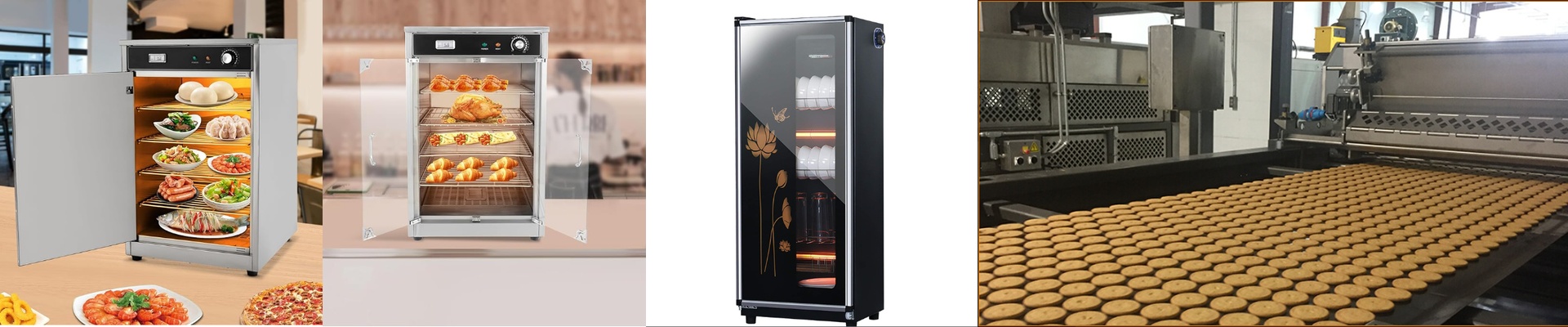
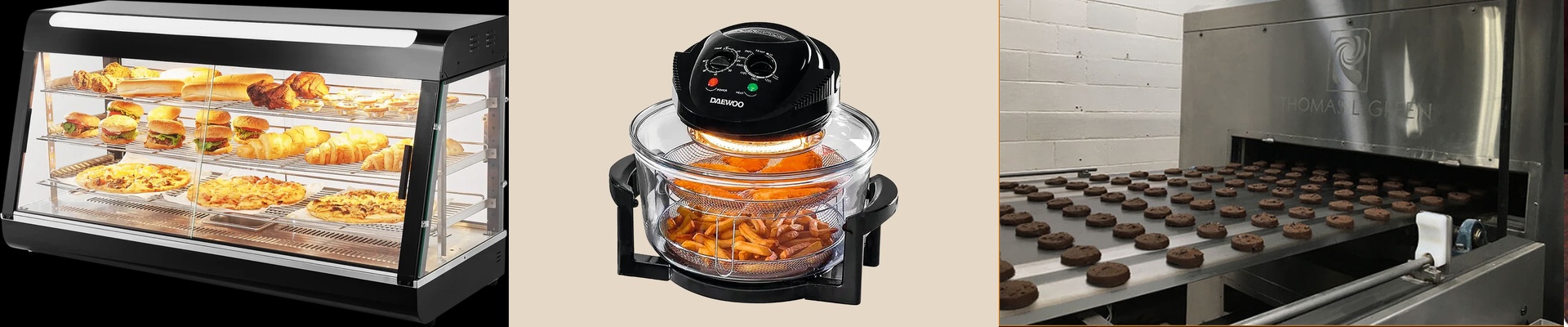
When the rush hits, the pass doesn’t wait. The deck oven is finishing the last pizzas, the rotary oven is pumping out tray after tray of rolls, and the convection oven is crisping pans of vegetables. Meanwhile, the warming station has to hold everything right at that sweet spot—where heat becomes flavor—without drying, scorching, or bogging service down. If the warming station can’t keep up, you don’t just lose time. You lose texture. Sauces thin out. Cheeses tighten up. Bread goes from crusty to leathery. And the plate loses the look that keeps people coming back. In a busy kitchen, steady heat preservation isn’t a nice-to-have. It’s what separates a smooth service from a line that backs up. That’s where an IR emitter in a warming station earns its keep. It puts focused radiant heat where it needs to be, holding food at consistent, safe temperatures—preserving surface quality the same way a deck oven preserves a crust: by controlling heat where it matters most.
What Actually Matters
An IR emitter for warming isn’t just a generic heating coil. It’s a radiant heat source built for controlled, targeted output—so the station holds temperature without overshooting and without sucking moisture out of the food.
- Technology: Short-wave infrared (NIR) emitter Short-wave infrared transfers energy fast and reacts quickly to changes in demand. In real life, that means the warming station recovers fast after doors swing open, trays swap in and out, or a rush hits.
- Wavelength and heat profile The emitter targets a wavelength band that heats food surfaces efficiently, helping maintain even temperature across the warming shelf. The payoff is holding heat without the harsh hot spots that spot-burn or dry out delicate items.
- Power density tuned for holding, not boiling Warming stations need enough power to maintain temperature, not to re-cook. The emitter is set up for stable output that keeps food in the safe holding range while protecting texture.
- Fast start-up and steady output It comes up to operating temperature quickly, so the station is ready when service starts. Once it’s up, output stays consistent—important when you’re holding sauces, proteins, and starches side by side.
- Electrical compatibility Units are built for standard commercial electrical supplies, with straightforward wiring that integrates cleanly into existing warming cabinets and heat-holding stations.
- Durability where it counts The emitter is designed for the heat-up, hold, cool-down cycle that happens every service. In many installations, you see long runtimes with stable performance, which means fewer replacements during peak season.
Why It Fits the Kitchen
In a commercial kitchen, the warming station is the final control point before the ticket hits the pass. It has to protect the work that came before—whether that work happened in a bakery deck oven, a rotary oven, or a convection oven.
Texture and appearance stay intact
Radiant heat preserves surface quality. When you hold roasted vegetables, proteins, or bread products under an IR emitter, you keep them at service temperature without killing the qualities that make them craveable.
- **Bread and bakery items:**The crust stays crisp, the interior stays tender, and the color holds steady. No more gummy centers from over-covering or dry edges from uneven heat.
- **Proteins and starches:**Sauces stay smooth, gravies keep body, and rice or potatoes don’t harden. The plate looks as good at 8 p.m. as it did at 6 p.m.
- **Finished plates:**The cheese on a pasta bake doesn’t toughen, and the glaze on meats doesn’t break. Consistent plating—every time.
Service stays moving
A warming station that can’t recover becomes a bottleneck. Doors open, trays go in and out, and temperature swings. An IR emitter brings the station back to set temperature quickly, so the team doesn’t have to choose between speed and quality.
- Fast recoverymeans fewer delays when tickets stack up.
- Stable holdingmeans fewer last-minute reheats that wreck texture.
- Consistent temperaturesmean fewer food safety concerns and fewer reworked orders.
Energy use that makes sense
Kitchens pay for heat—and they pay again when heat is wasted. IR emitters put energy where it needs to be: on the food. That targeted approach reduces wasted heat in the cabinet, which can translate into lower energy use over the course of a week. You also get predictability. The emitter pulls power when it needs to recover, then settles into a steady holding pattern. That makes it easier to forecast energy use across service and plan for busy stretches without surprise peaks.
Fewer failures, less downtime
Warming stations get hammered. Elements cycle on and off, moisture and grease are always around, and equipment gets moved during cleaning. An emitter built for commercial duty handles that environment with fewer hot-cold stress cycles than traditional coil setups, which usually means fewer service calls.
What You Need to Know
An IR emitter can improve how a warming station performs, but it has to be installed and used the way it was designed.
- **Clearance matters.**Radiant heat needs space to work evenly. Keep the emitter at the recommended distance from trays and shelves to avoid uneven results and to protect the emitter from grease and contact.
- **Compatibility isn’t universal.**Not every warming cabinet is set up for an IR emitter. Check voltage, mounting, and wiring against your station’s specs. Some units need a dedicated control or thermostat that matches the emitter’s response.
- **Control settings affect quality.**If the thermostat is set too high, the emitter will hold temperature—but it may do it aggressively, and that can dry food out. Set holding temperatures that keep food safe and at the right mouthfeel, not the highest number you can hit.
- **Cleaning affects performance.**Grease and carbon buildup on the emitter and reflector can reduce output and create uneven heating. A regular cleaning schedule is part of keeping the unit consistent.
- **It’s a heat source, not a reheating tool.**An IR emitter is designed to hold food at service temperature. It’s not a substitute for a deck oven, rotary oven, or convection oven when food needs to be cooked or crisped. For best results, bring food up to temperature in the right cooking equipment, then move it to the warming station. If you want a station that keeps food at the right temperature—without sacrificing texture, appearance, or speed—an IR emitter for the warming station is a practical upgrade. It gives you control where control matters: at the pass, when every plate has to leave the kitchen looking and tasting the way you intended.