
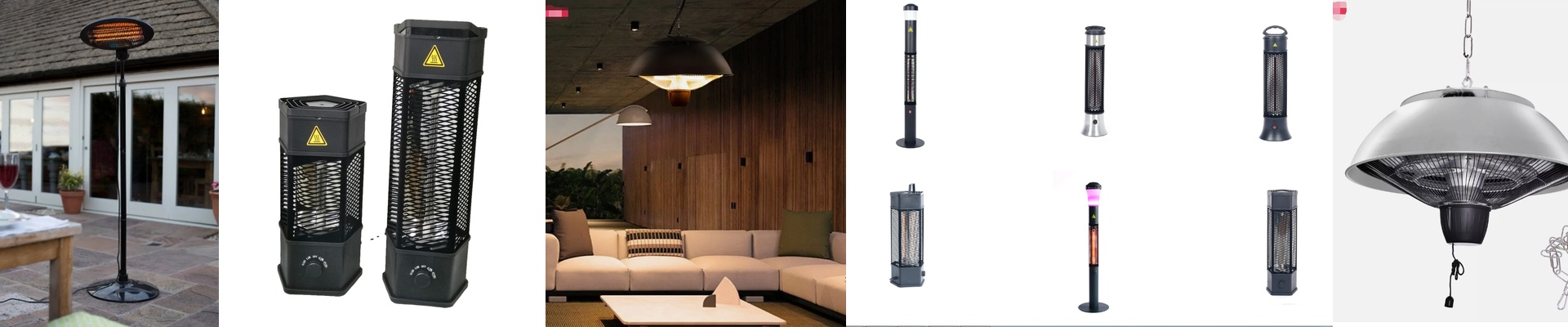

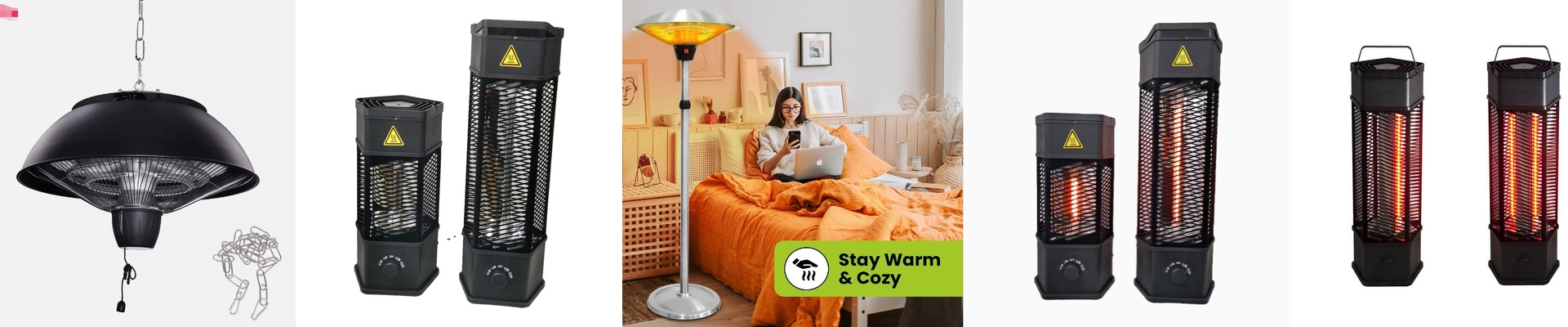
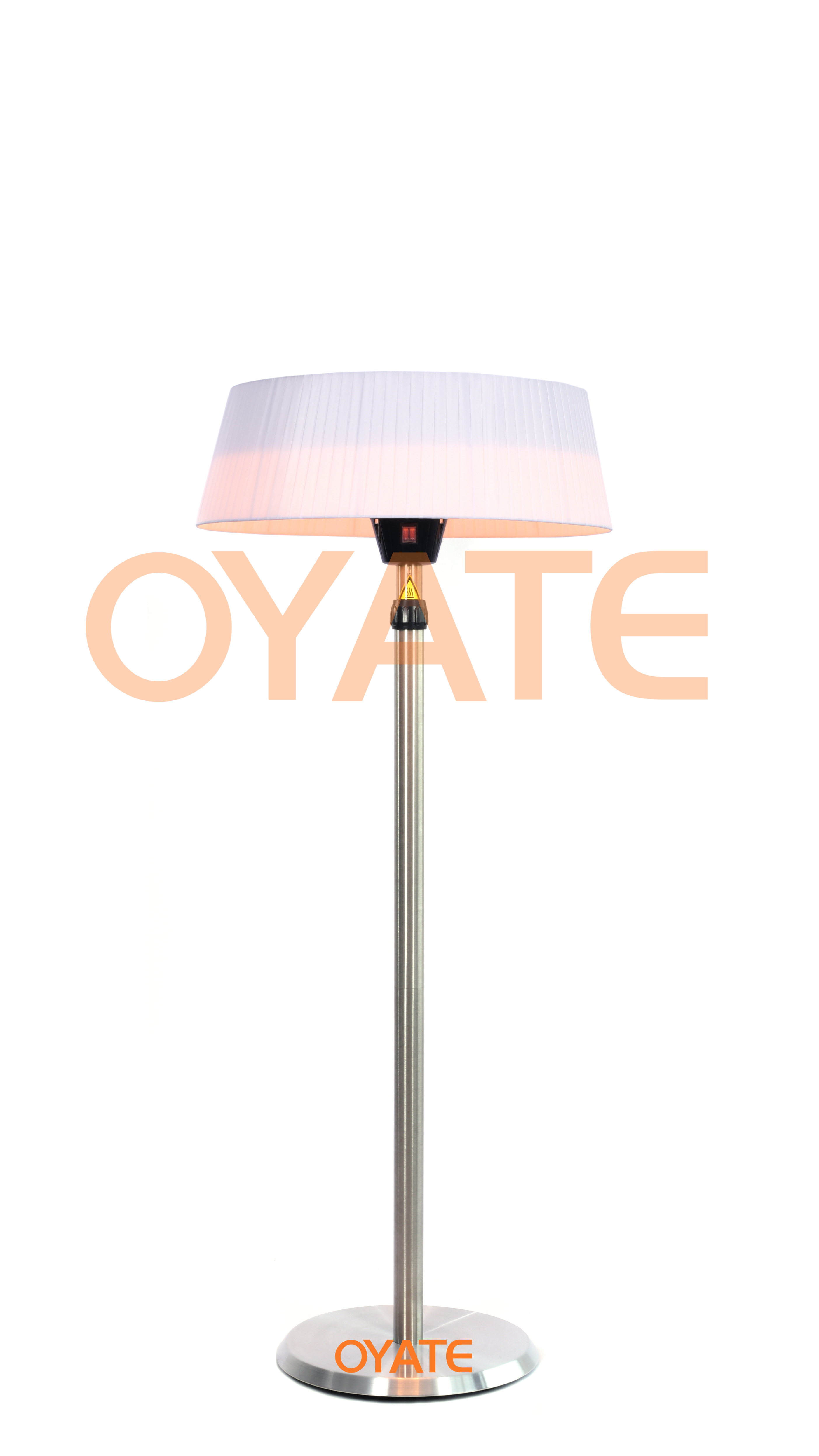
Let’s get real about power, voltage, and what these heaters actually do
We built these infrared heaters to be a straight swap for industrial systems, especially for bathrooms where the air is always damp. The whole trick is matching the power to the room size. For a smaller space, you’re looking at a 1000W unit. Need to warm a bigger area? Step up to 2500W. That way, you hit the temperature you want without the system constantly kicking on and off. And that IP65 rating? It’s not optional. It locks the guts of the heater away from jets of water, so you don’t get the short circuits and corrosion that kill ordinary units. Plus, you get voltage choices—220V or 400V—so you can wire straight into the power you already have. No extra transformers. No headaches. Just a clean install.
The design choices that actually matter
Inside, the heating element is a quartz tube with a halogen filament. It throws off shortwave infrared, which means it warms people and objects directly—not the air around them. The payoff? It heats up fast, and you don’t waste energy fighting convection. And the R7s connector? It’s the standard for a reason. It gives you a solid, high-temp electrical connection that’s easy to wire, and it stays reliable even when the heat cycles up and down. This isn’t some flimsy consumer plug. It’s built for the rough and tumble of industrial life.
What this means when you’re on the shop floor
Here’s the big win: you’re making the most of your energy. With shortwave infrared, almost all the power coming in turns into usable radiant heat. You’re not burning watts just to warm air that leaks out through drafts—something that’s especially wasteful in a bathroom that’s tough to insulate. And the drop-in design? It’s exactly what it sounds like. You can upgrade an existing unit without reworking the mounting brackets or rewiring the whole setup. Now, there is one thing to keep in mind. High-wattage units, like the 2500W, pack a lot of heat in one spot. So your cooling and ventilation need to be up to the task. That’s not a flaw—it’s just physics. We give you the power. You make sure the system can handle the heat.