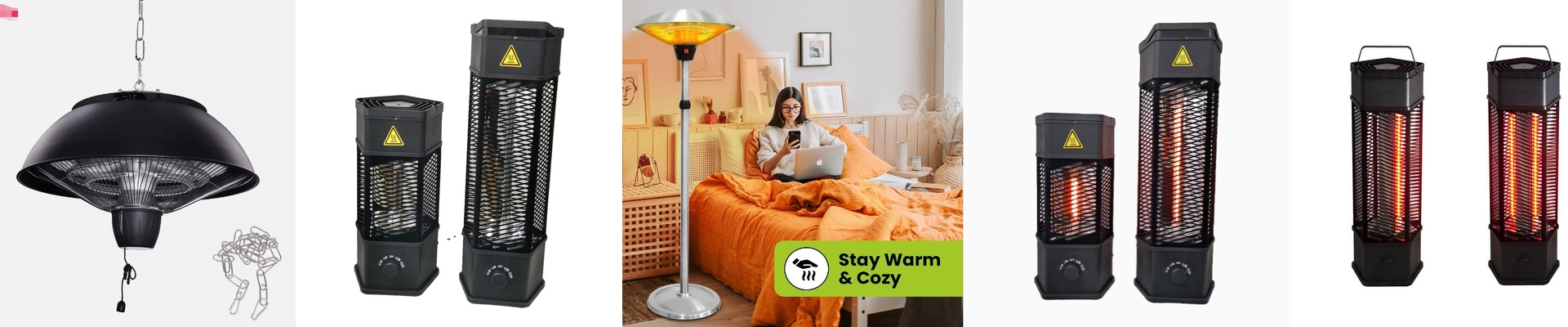
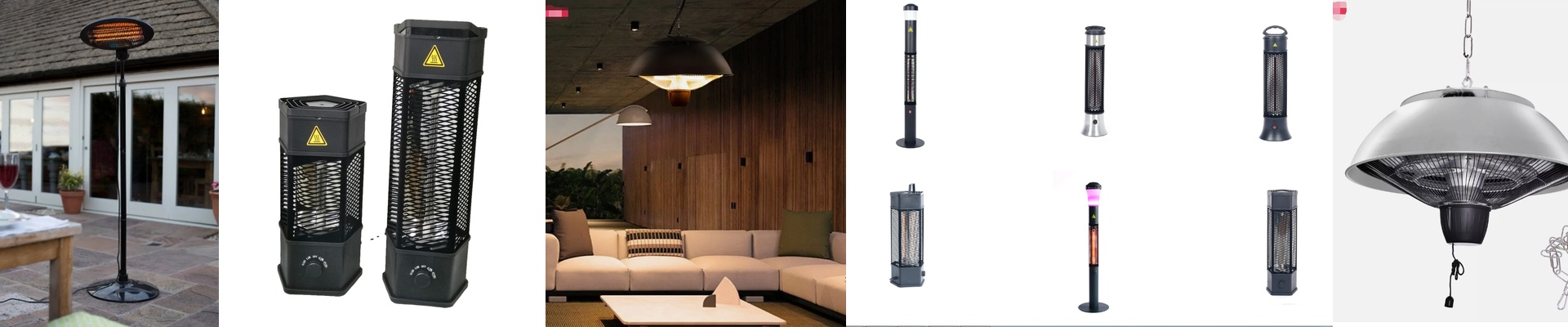
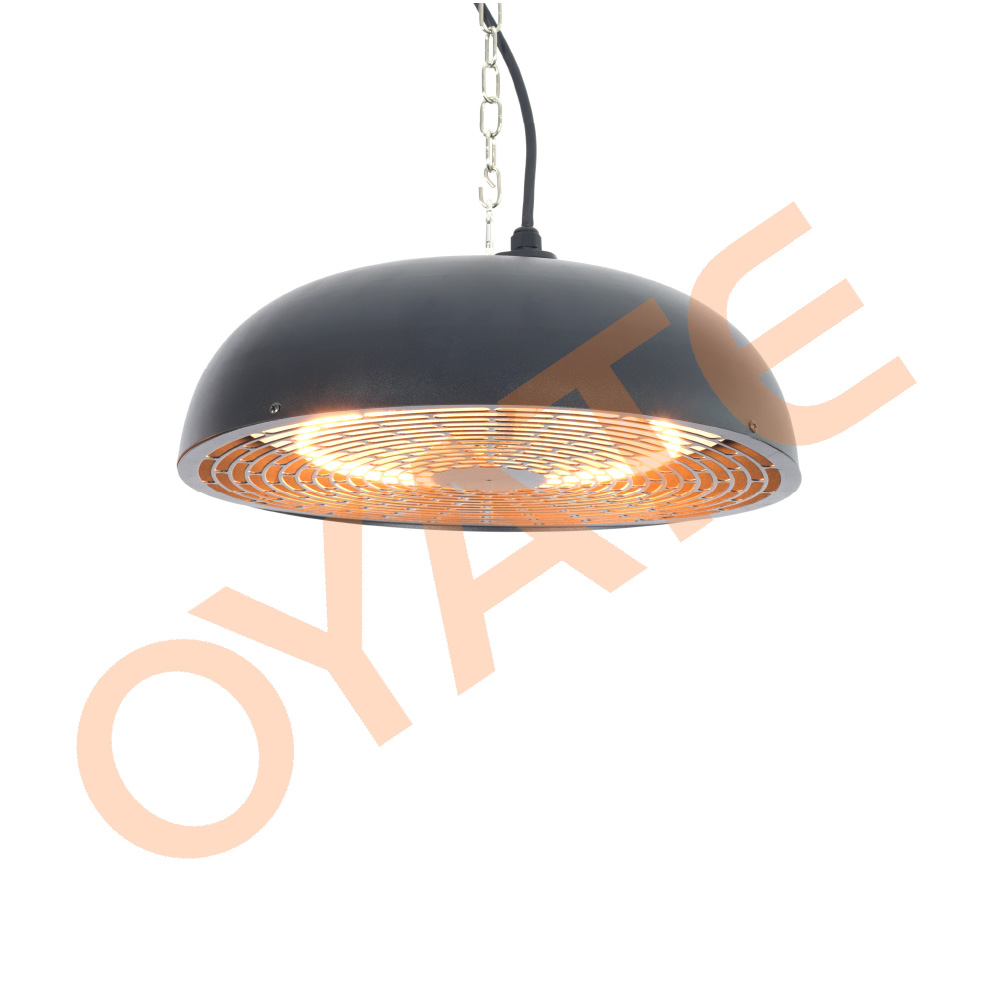
Municipal buildings—libraries, community centers, administrative offices—run on tight budgets. Winter hits, the heating bill jumps, and the numbers get ugly fast. Traditional forced-air systems warm the air, but that warmth shoots up and leaks out through ceilings and gaps. People feel cold where it matters—near the floor—while the meter keeps climbing. Here’s the thing: infrared heaters work a different way. They emit radiant heat that travels in straight lines, warming people, floors, and furnishings directly—like sunlight. We lean on carbon fiber elements because they come up to temperature fast, run quietly, and hold steady output for thousands of hours. A 1500W model gives you targeted warmth without pushing a circuit beyond what it’s meant for. Built-in thermostats keep the set temperature, and tip-over protection adds a practical safety layer. You get localized heat where you need it, when you need it. For public facilities, that translates into real savings. Because the warmth is directional, you’re not heating unoccupied corners or the ceiling. People feel comfortable sooner, so you can run the system fewer hours each day. In the field, many clients see double-digit percentage reductions in winter energy use—numbers that add up across a portfolio of buildings. Maintenance is simpler, too. No ducts to clean, no complex boilers to service. Plug in, set the temperature, and let the units do their job. Infrared heating performs best in spaces with normal ceiling heights and decent insulation. It’s ideal for spot heating and occupied zones, not for trying to heat a drafty hall all at once. Installation is straightforward. Standard 120V outlets are often enough, though larger rollouts may need a dedicated circuit. Plan placement to cover high-traffic areas and entry points, and pair the heaters with a sensible thermostat strategy. That’s how you get steady comfort and predictable bills.