

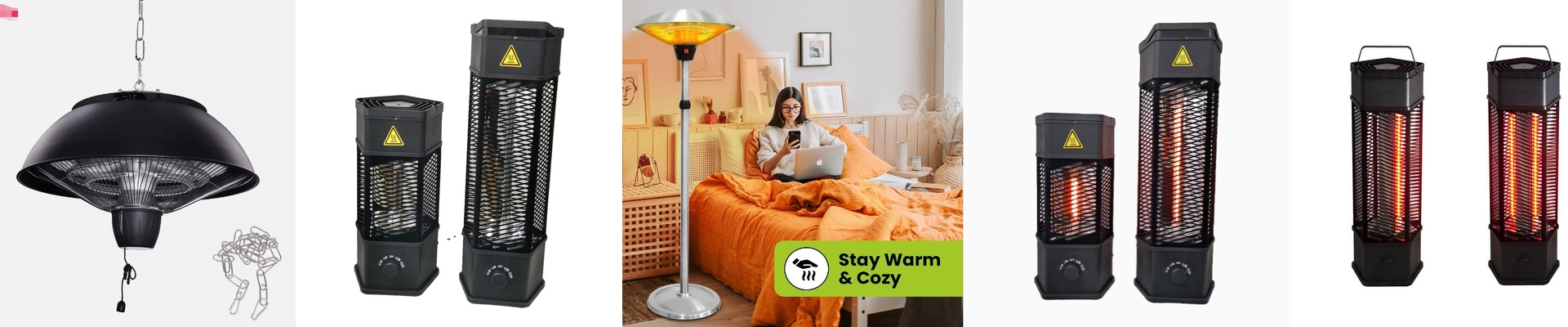
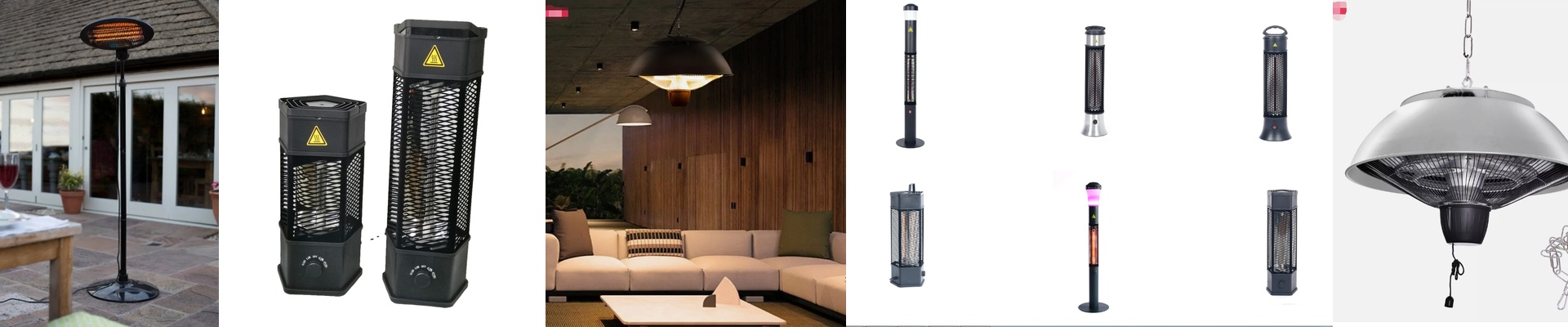
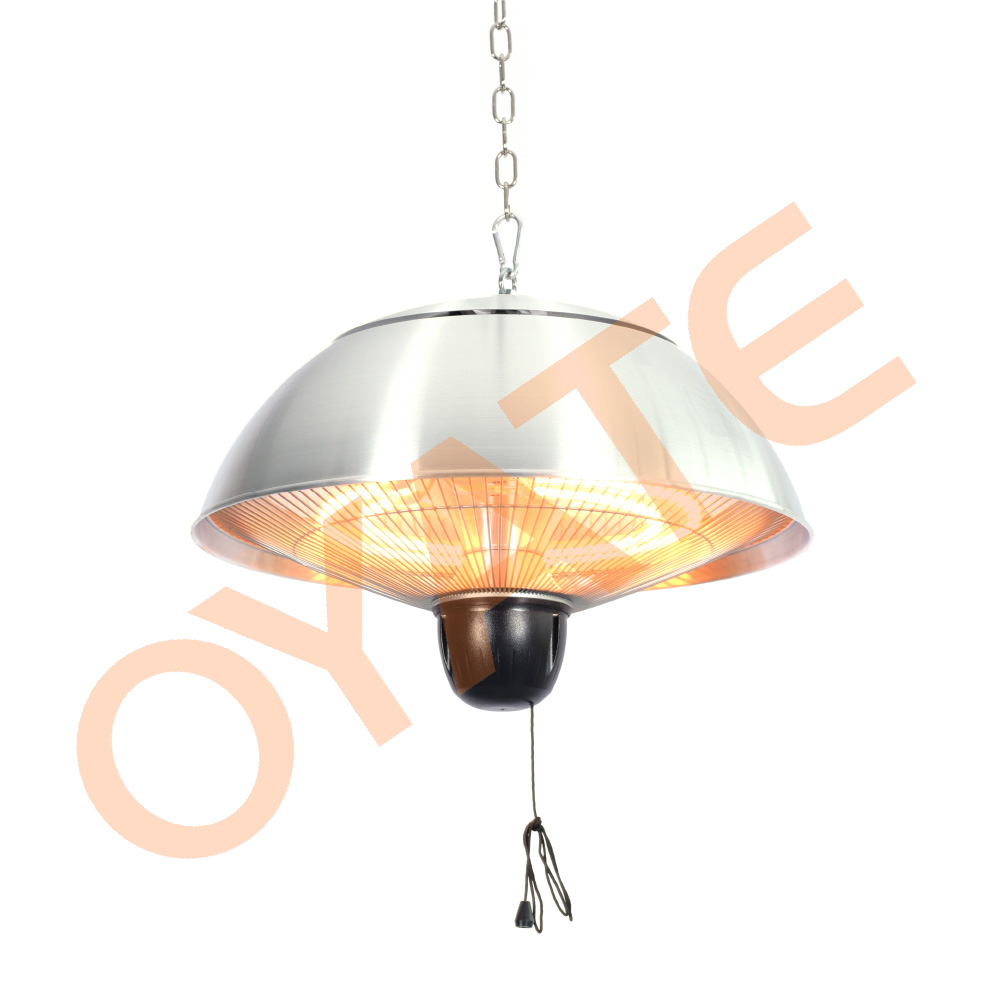
Flip the switch and the warmth hits—no lag, no drafts, just steady heat that settles in. That spring-like feel on a cool evening isn’t luck; it’s radiant heat doing the job convective heat can’t. In a home, comfort needs to show up in seconds, not minutes. That’s where infrared earns its keep.
What matters, technically
Infrared heaters throw electromagnetic waves that travel straight, warming people and objects directly—think sun on your skin. The heart of it is the emitter, usually a carbon fiber element or a quartz tube, tuned to medium- to long-wave infrared. We’re talking the 5–15 micron range, right where comfort sits. In the field, a 1,500 W unit can raise the perceived temperature in 2–3 seconds, with heat reaching out several meters depending on the reflector. Energy goes where it’s needed, so you’re not wasting watts heating air. Built-in thermostats hold output steady, and the basics—tip-over protection and overheat cutoffs—are standard.
Why it works in real spaces
Inside, you want warmth that feels immediate and even. Forced-air systems push heat up, leaving floors cool and cycling through temperature swings. Infrared warmth stays low and even, wrapping the room without the draft. You feel it right away—muscles loosen, circulation picks up—and the air stays cleaner because there’s no blower kicking up dust. Whether it’s evenings in the living room, mornings in the kitchen, or quiet time on a covered patio, you get consistent comfort with less energy use.
The practical details
Infrared is direct, so placement matters. Point the beam to cover the seating area, and keep at least 3 feet of clearance from objects and people. It’s meant to warm occupants, not the whole volume of air—great as a primary heat source in smaller rooms, and as a supplement in larger ones. For outdoor use, pick a model with an IP rating suited to damp conditions. And remember: radiant heat travels line-of-sight. Obstacles will cast cool shadows, so plan for unobstructed coverage.