Getting Your Blow Molding Speed Back: The 400V IR Radiator
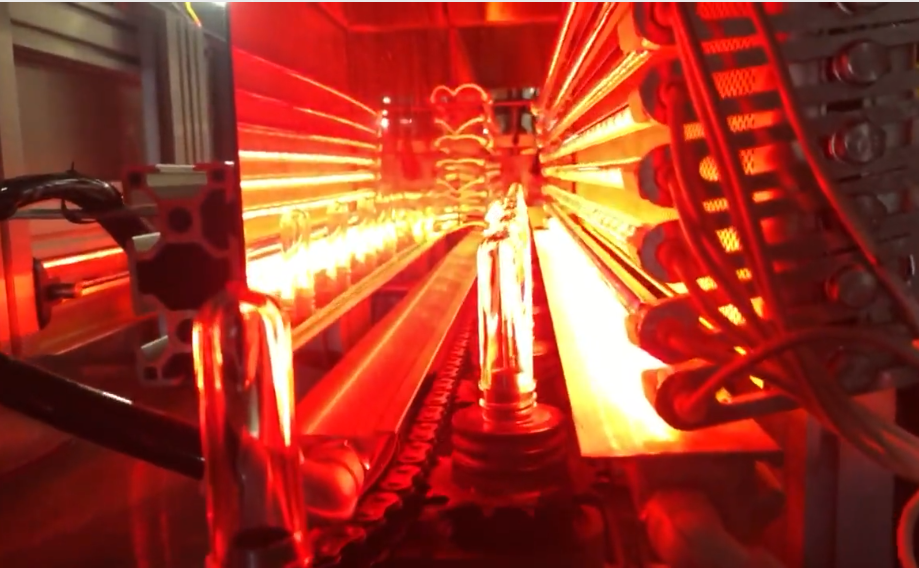
If you’re running mid-tier blow molding machines, you’ve probably noticed a slow crawl in your throughput. It’s frustrating. You start seeing those annoying “cold spots” or inconsistent heating in your preforms, and you just know the machine isn’t hitting the numbers it used to. Usually, the culprit is simple: your heating elements have just drifted. They lose their punch over time. The quickest fix? Swap them out for 400V Krones-style IR radiators. It’s a straightforward way to get your production speed back where it belongs. Why 400V actually matters Here’s the thing about the physics: we build these to run at 400V because it packs more heat into a smaller space. Higher voltage means the element hits its operating temperature faster. Because of that, your PET preform doesn’t have to hang around as long to reach that critical glass transition point. If you’re pushing a high-speed line, this is huge. You can actually crank up the cycle rate without having to physically lengthen your oven. The gritty details We use high-purity quartz glass so the infrared light actually gets through instead of getting trapped. Then, we fill the tubes with halogen to push the wattage way past what you’d get with a standard quartz lamp. For the connections, we stick with R7s or Sk15. I’m not doing that for the sake of a part number—it’s because they create a tight, solid electrical contact. On a production floor, things vibrate. A lot. These connectors won’t arc or burn out when the machine is humming along. Getting them installed (and a few warnings) Installation is a breeze. It’s a drop-in replacement. You pull the old tube, slide in the 400V radiator, wire it up, and you’re done. But, before you go all in, check your power supply. A 400V element hits your transformers differently than a low-voltage one. And keep an eye on your cooling. Since these radiators put out a lot more heat, your oven’s ambient temperature is going to climb. If your fans are already struggling, you might have a problem. Make sure your ventilation can handle the extra load, otherwise, you might end up warping your reflectors—and nobody wants to deal with that.