
The Krones Contiform S Heating Tube: What It’s Really Made Of, and Why It Matters for Your PET Blow Molding
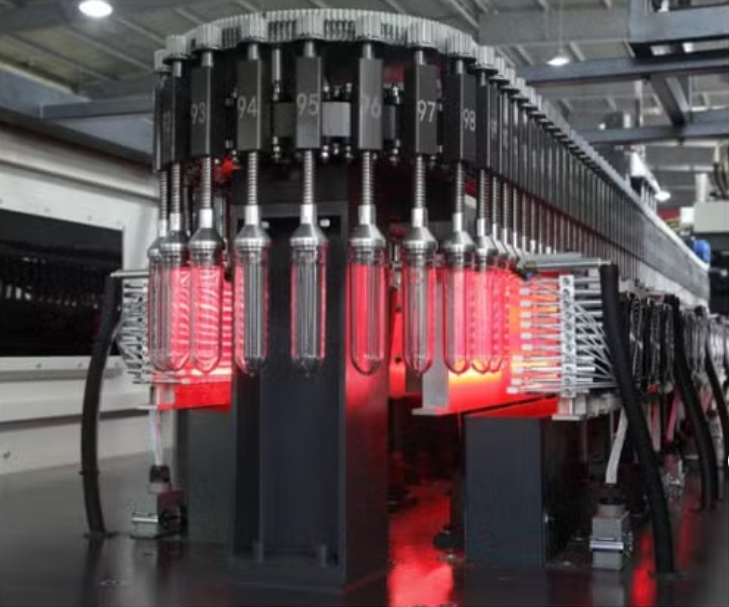
Let’s talk about the heart of your Contiform S blow molding line: the heating tube. Specifically, the Krones Contiform S shortwave infrared heater. Its whole reason for being is simple—get your PET preforms hot, fast, and evenly. The kind of heat that lets you stretch them perfectly every single time, without ever scorching the material.
Power, Voltage, and the Nitty-Gritty
Here’s the thing—this tube is built to pack a punch. It delivers serious heat density from a small space. Inside that quartz tube, a tungsten filament coil runs on high voltage, blasting energy straight into the preform wall. The payoff? Almost no waiting around for it to warm up. And once it’s going, it holds steady, cycle after cycle. But get this part right. You have to match the voltage and wattage to your machine’s control system. If you don’t, you’ll end up with a sluggish heater that can’t keep up—or worse, one that burns out way too soon.
What It’s Built From: Quartz, Tungsten, and a Smart Connector
This isn’t just any tube. It’s made with high-purity quartz for the outer shell. Why? Because quartz can handle sudden temperature swings without cracking, and it stays crystal clear so the infrared heat gets through consistently. Inside, you’ve got tungsten. It’s the workhorse that holds its own at extreme heat, giving you reliable, repeatable performance for thousands of hours. And then there’s the R7s connector. It snaps in place, locking tight. No wiggle. No vibration. Just a solid connection that prevents arcing and those dangerous hot spots. It’s a direct, drop-in replacement for the original—no cut corners on materials.
How It Feels on the Shop Floor
Running a Contiform S? This tube makes sure every inch of the preform—neck to body—gets the same treatment. That shortwave heat hits fast, which shaves time off your cycle and gives you a better bottle. Just keep in mind, it runs hot. So your machine’s cooling system needs to be up to the task. You’re getting high output density and rock-solid performance, but you’ve got to make sure the airflow and thermal management are dialed in. Otherwise, you’ll see those over-temperature faults pop up. We give you the full story on materials and exact electrical specs, so you can swap in a new lamp without getting nickel-and-dimed by the brand. There’s a trade-off, sure. All that concentrated heat demands serious cooling. But if your system’s set up for it, you get heating that’s fast, predictable, and hassle-free to wire. And when we tell you what’s inside, it’s not just for show. It’s about owning the engineering. We spell out the quartz grade, the tungsten alloy, the connector specs—so you can check the build yourself and know it fits your process.