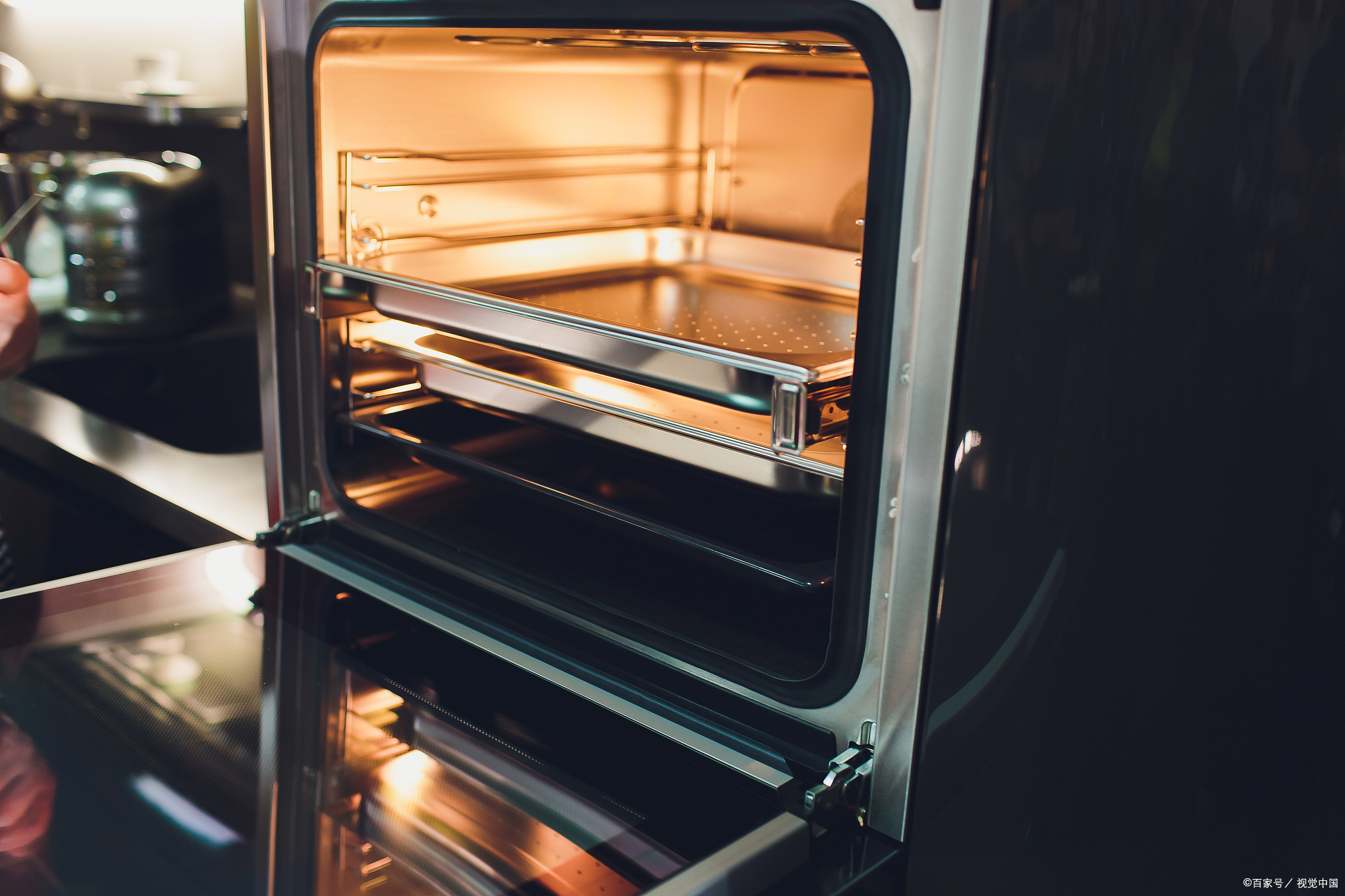
When service is on, your convection oven has to come up to heat the second you need it. Every time. If the heat tube drags its feet, bake times drift, crusts go soft, and the line backs up behind the pass. We built our convection oven heat tubes to give you predictable, repeatable heat—so output stays the same from the first order of the morning to the last rush. What matters under the hood The tube uses a high-output resistive element in a compact stainless-steel sheath, tuned for fast thermal response inside the baking chamber. It hits operating temperature quickly, so the oven recovers fast after the door opens—especially important when you’re running full pans back to back. The tube geometry and placement are set to keep airflow even across the convection path, which cuts down hot spots and cold zones. Paired with a tight thermostat interface, you get steadier temperature stability, so browning and doneness stay consistent batch after batch. In a busy kitchen, speed and consistency are the same thing. Faster recovery means shorter bake windows, so you turn tables sooner. Tighter temperature control means fewer rejects and re-fires, which protects food cost and keeps your reputation intact. And because the tube heats efficiently and holds heat where it’s needed, you use less energy per cycle—fewer kilowatts wasted while the cavity climbs back to temp. Fewer energy spikes, fewer temperature swings, and a line that stays steady. Here are the practical details. These heat tubes are engineered for commercial convection ovens, but fit and mounting vary by model and chamber layout. Before you order, confirm voltage, terminal type, and clearance. Make sure airflow around the tube is planned properly—otherwise you risk overheating the sheath. Treat the element as a wear part. In high-volume service, plan on periodic replacement to keep recovery speed and temperature control where you need them.