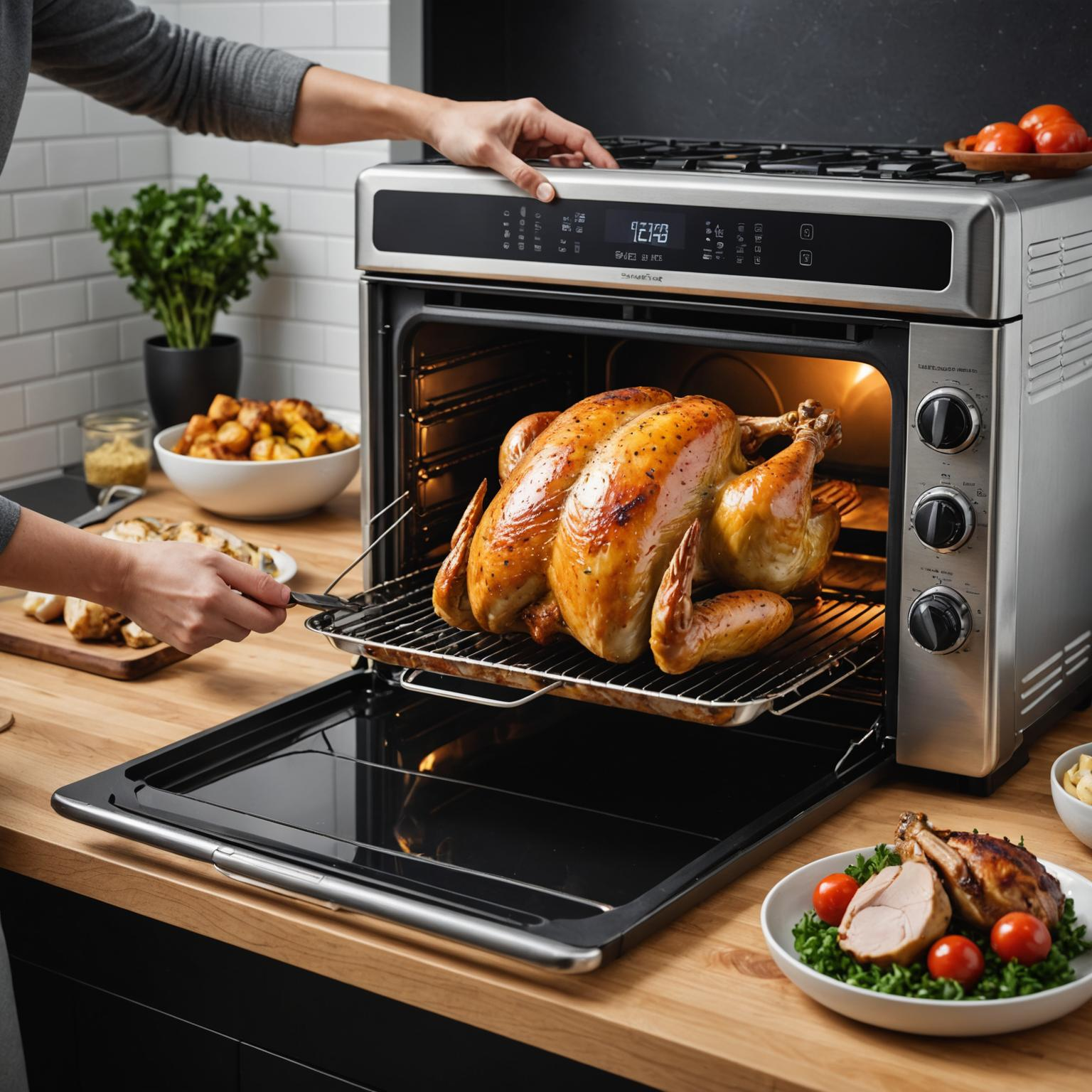
Getting the Crust Right: Why Infrared Bulbs Matter
If you’re reheating bread or pastries in an industrial convection oven, you already know that hot air alone isn’t enough. You can bake something for ages, but if you don’t get that immediate hit of heat on the surface, you lose the color and the crunch. You end up with something that tastes okay but looks sad. That’s where shortwave infrared (IR) bulbs come in. They don’t mess around with warming up the air first; they send energy straight into the crust. Picking the right power Here’s the thing: you have to get the wattage and voltage just right for the size of your oven. If you go too powerful in a small space, you’re going to scorch the top of your pastry before the middle even thinks about getting warm. But when you hit that sweet spot? You can get your surface temperature exactly where it needs to be in a matter of seconds. It’s fast. Really fast. Built to take a beating We use high-purity quartz glass for these bulbs because they have to handle “thermal shock.” Basically, they get hot and cold rapidly, over and over again. When you pair these with a solid PID controller, the temperature stays steady. That matters because bread is finicky. A single degree can be the difference between a beautiful golden-brown finish and a burnt mess. And we kept the installation simple. They use standard R7s or similar spring-loaded connectors. When it’s time for maintenance, you just pull the old one out and pop the new one in. No headache. A few things to watch out for Now, these bulbs put out a ton of heat—not just on the bread, but at the socket too. You’ve got to make sure your wiring can handle the current and that your oven actually breathes. If you run these at 100% without enough airflow, you’re going to fry your connectors. The secret is finding the right balance. Play around with your IR intensity and your convection fan speed until you find that perfect mix of a crisp exterior and a moist, fluffy center.