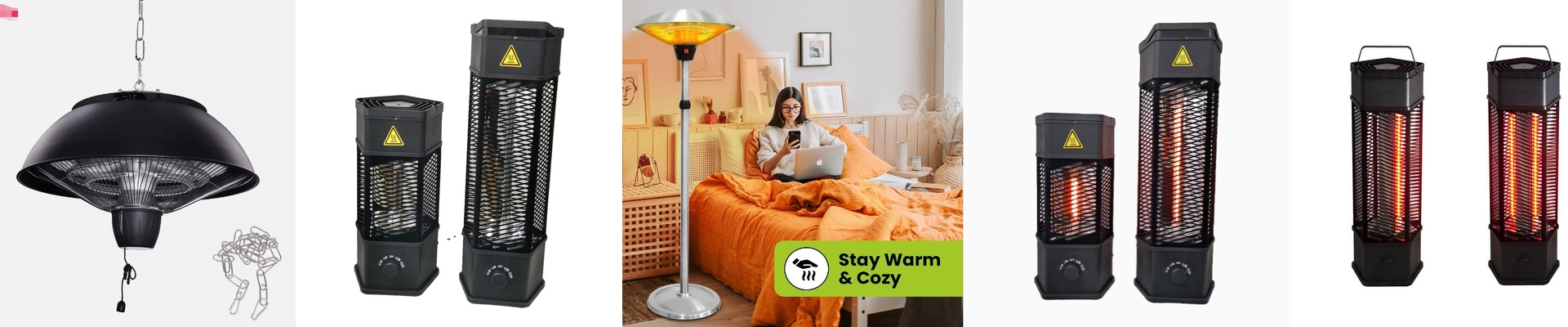

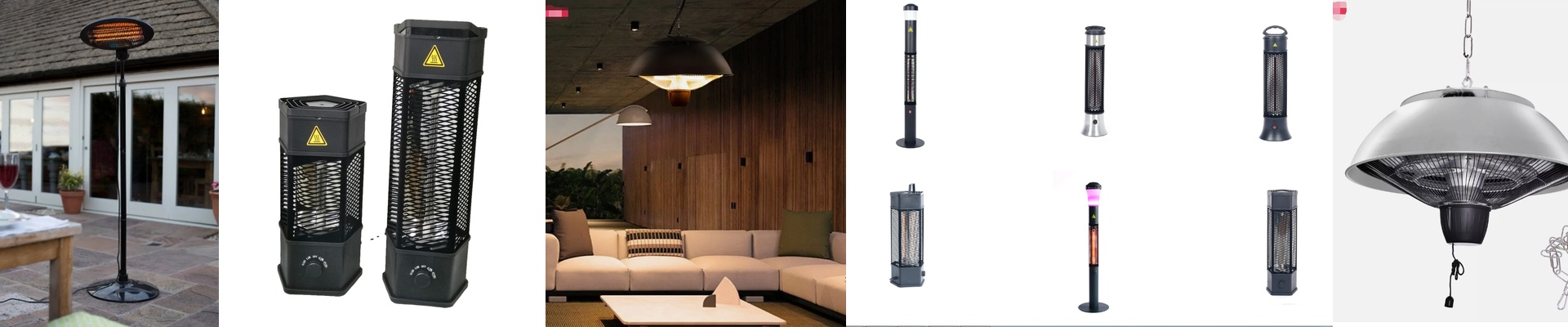


What Makes This Foot Warmer Actually Work
Let’s get real about what’s under the hood. We built this foot warmer to be a straight-up heat source—direct, focused, and ready to go. Inside, you’ve got a 300mm quartz tube, and it runs on a dedicated 400V line. That voltage is key. It lets us pack a serious punch—around 2500W—without taking up a ton of space. So what does that mean for you? It means you get a lot of heat, fast, without needing a giant machine to deliver it. The heat comes on quickly, right where you need it, and stays there. Now, this setup isn’t something you plug into your regular low-voltage circuit. It needs its own 400V line. That keeps the current under control and the wiring manageable. But here’s the trade-off: it runs hot. No way around it. So the housing and how it’s mounted have to be built to handle that heat.
The Details That Keep It Reliable
We use a halogen-filled quartz tube because it can take the heat—again and again. It stays stable even when it’s working hard, and it doesn’t give up when things heat up and cool down over and over. And that gold coating on the tube? It’s not just for looks. It reflects infrared energy back toward the target area, so you get more usable heat directed right where you want it—downward. Then there’s the R7s base. It’s the anchor and the electrical connection, all in one. It gives you a solid, two-point connection that’s standard in industrial halogen heaters. That means it’s a straightforward replacement in many machines—secure, predictable, and ready to get to work.
The Payoff: Warm Feet on the Factory Floor
On the line, comfort isn’t a luxury—it keeps you sharp. This foot warmer is all about localized warmth, so you’re not trying to heat the whole building. The 300mm length and focused infrared output warm the floor area right under the operator. Less fatigue. More focus. Just the way you want it. Installation is simple: wire it up, set the mounting distance according to the clearance, and it delivers steady radiant heat. The halogen element stays consistent over time, but the environment matters. If you’re putting it in a tight spot, make sure there’s enough airflow and the right thermal shielding. That way, everything stays within safe operating temps, and you just get the warmth you need.