
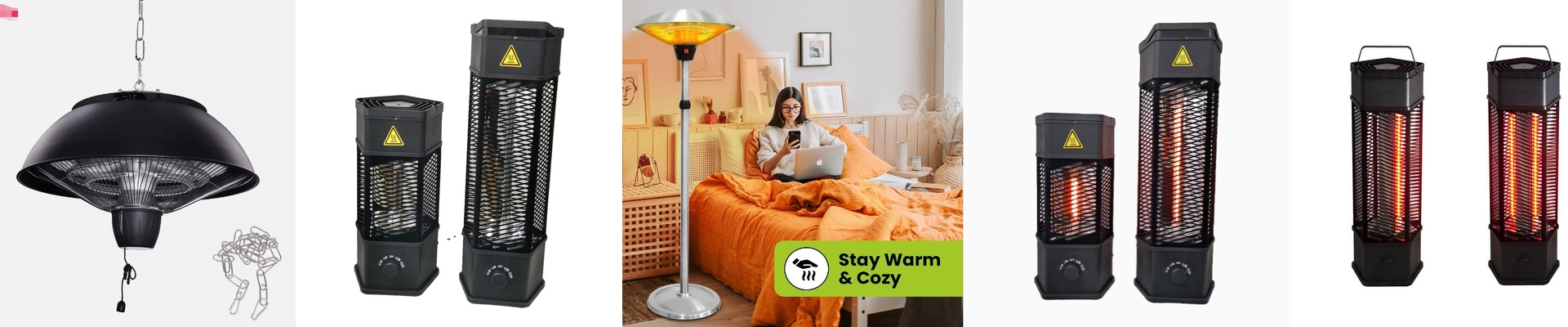
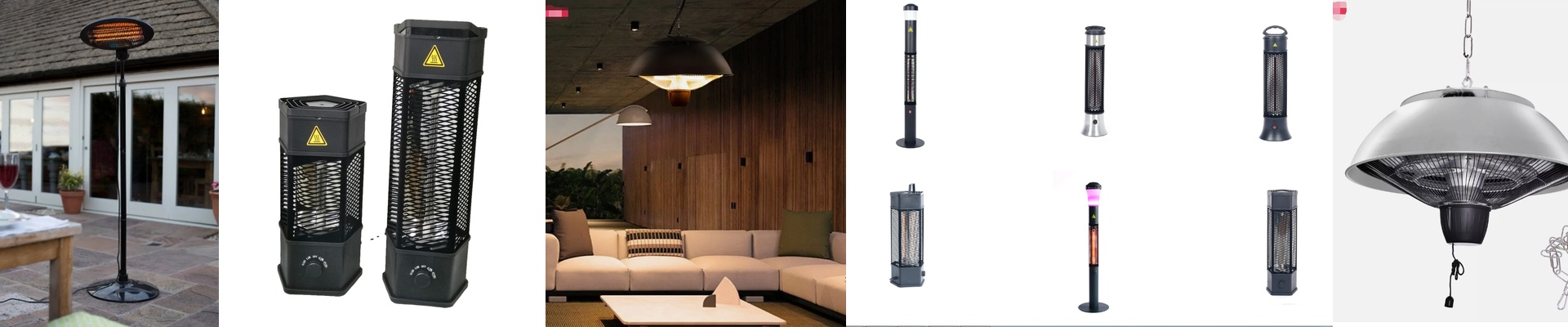


When the dinner rush hits, your buffet line can’t afford a cold spot. One weak lamp, and you’re watching sauces skin over, proteins slide into the danger zone, and customers walk away. The twin-tube heat lamp delivers steady radiant heat right where you need it, holding food at safe temperatures without drying or scorching.
What matters under the hood
We build these around parallel quartz tubes, so the heat projects across a broad footprint, not a pinpoint hot spot. Paired with a reflector hood, the beam spreads evenly across pans—top layer stays warm while the pan holds heat below. The twin-tube layout gives you redundancy, too: if one tube goes down, the other keeps output so service doesn’t get cut short mid-shift. Specs are straightforward: 120V or 240V, 275–500W per lamp, and standard E26/E27 sockets for fast swaps. The quartz element comes up to temperature quickly, settles into a stable hold within minutes, and keeps swings small when the line door keeps opening and closing.
Why this works on the line
On a buffet, consistency is the product. These lamps keep gravies glossy, cheeses melty, and vegetables bright—meaning fewer refills, less waste, and plates that look the same from first to fiftieth. Because the heat is radiant, you aren’t blowing steam and moisture off the food, so flavor and texture stay intact. Energy stays under control as well. Short preheat, targeted coverage, and fast recovery mean you’re only drawing power when the lamp is on and needed. For pizza and bakery folks, the same idea applies when you’re holding finished pies or trays without over-browning the crust.
The details that make the difference
Mount height matters. Keep the lamp 18–24 inches above the pan rim for even coverage—too high and the intensity drops, too low and you’ll risk spot-drying. Keep lamps clear of splashes and steam, and use guards in high-traffic lines. These are designed for holding and warming, not regenerating cold food—start with product that’s already cooked to target temperature. Replace one tube at a time to avoid mismatched output, and always confirm voltage and socket compatibility before installation.