

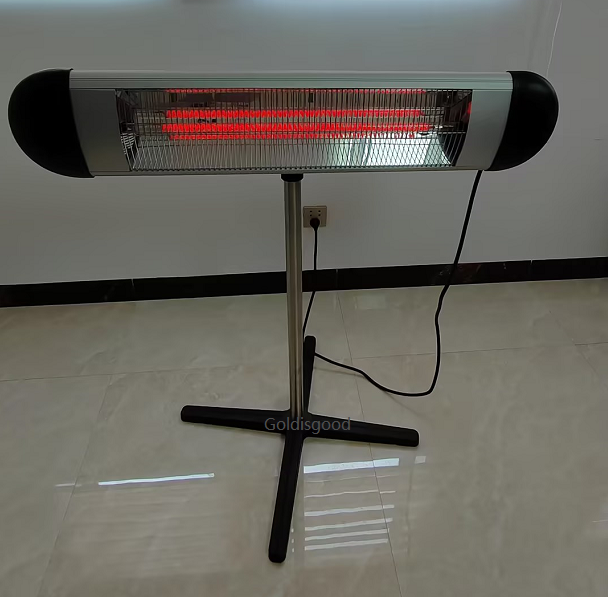
Voltage swings are the silent killer of infrared warmth. One night the power is steady, the next a surge or dip pushes components past their comfort zone. That shortens lamp life and chips away at performance. We built our timer electric heater around a voltage-compensation system that handles the grid as it actually behaves—not as it looks on paper. What’s going on under the hood Inside, we run a quartz-tube element on a closed-loop circuit that watches line voltage and adjusts power delivery in real time. The compensation range covers the swings you actually see, smoothing the peaks and filling the valleys so the filament sees a steadier load. The timer lets you pre-set heat windows, so the unit isn’t forced to chase temperature by hammering on and off when demand is highest. That means more consistent radiant output and fewer thermal shocks that age components prematurely. In practice, you get steadier infrared warmth, less stress on the driver, and a calmer, more predictable operating profile. Why this matters on a patio or in a workshop Outdoor patios and workshops often share power with compressors, tools, or lighting, so voltage drifts through the evening. Without compensation, you’ll feel the heat fade when a nearby motor kicks on, and you’ll see premature lamp dimming after a season or two. With our system, the heater keeps a steadier face—same comfort level without abrupt dips. You get a more reliable outdoor session, and the unit runs fewer aggressive cycles, which helps extend service life. The timer also keeps energy use tight, heating only when you actually need it. A few practical notes This design is forgiving, but it still needs a solid ground and the right circuit capacity. Plug it into a dedicated outlet and check your home’s line quality. If voltage swings are extreme, consider pairing it with a whole-home stabilizer. For best results, set the timer to match your typical use window, and keep the unit protected from wind—wind can skew perceived comfort even when output is steady.