
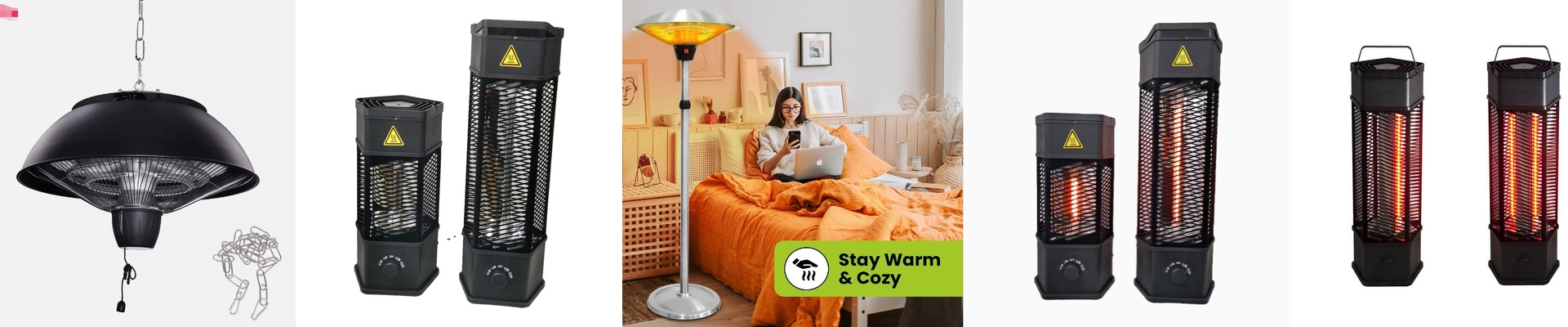
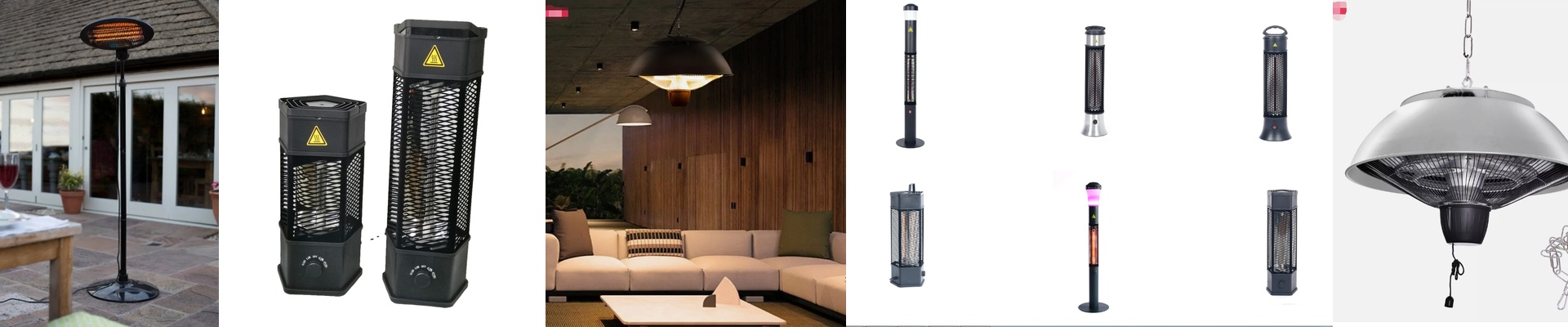

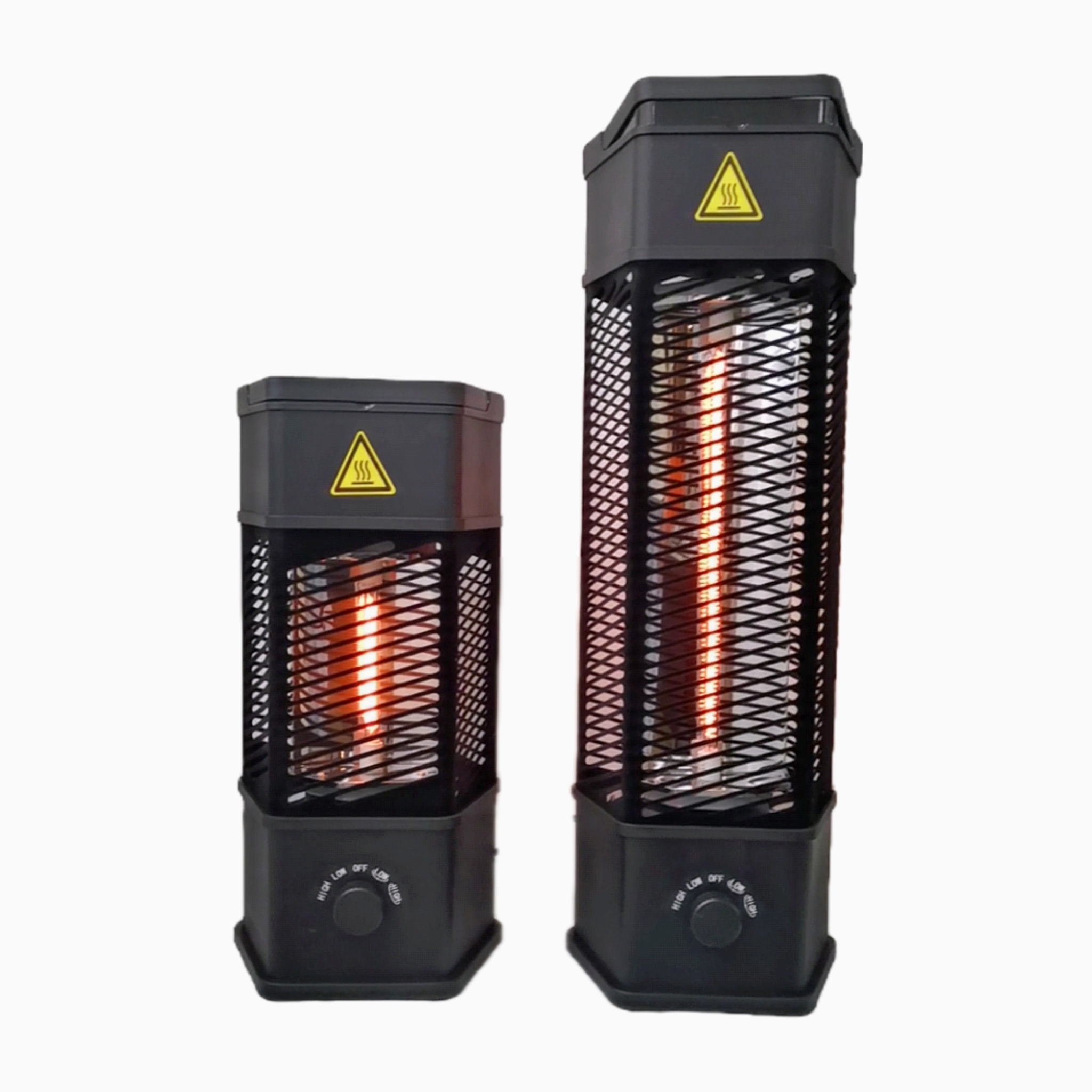
I’ve spent enough time on job sites and in customer kitchens to know the pattern: people want warmth that shows up when the sun dips, without the noise, the faff, or the bill shock the next morning. Heat that’s there when you need it, and gone when you don’t. That’s why we built our infrared heater on straightforward, field-proven logic—direct radiant warmth, controlled draw, and day-to-day simplicity.
What actually matters under the hood
We lean on a high-efficiency carbon fiber element. It heats fast and holds output steady without chasing the temperature all over the place. You feel the heat in seconds, not minutes, and the comfort stays consistent even when the air is dead still. The unit runs on standard 220–240V, so it drops into most homes and covered outdoor spots without a rewire. The beam is focused, so the energy lands where you sit—on people and surfaces—instead of dumping into the air around you.
Why it fits the way people live
Comfort only matters if it’s practical. This heater matches real routines: short evenings on the balcony, quick kitchen stops, a reading corner that moves with the seasons. Because it heats people and objects directly, you can keep ambient temps lower and still feel cozy—often meaning lower running cost for many households. No noisy fan. No drying blast of air. Just steady radiant heat that makes outdoor spaces usable longer into the year.
The details that make the difference
Infrared warmth works best when it’s aimed at people and furniture, so placement is half the job. For the best result, mount the heater 1.5–2.5 meters above the seating area and angle it slightly down. It’s weather-resistant for covered outdoor areas, but it isn’t built for heavy rain or direct exposure. The heat feels instant, yet surrounding surfaces take a minute to release warmth—give it a few minutes to settle into that full comfort zone.