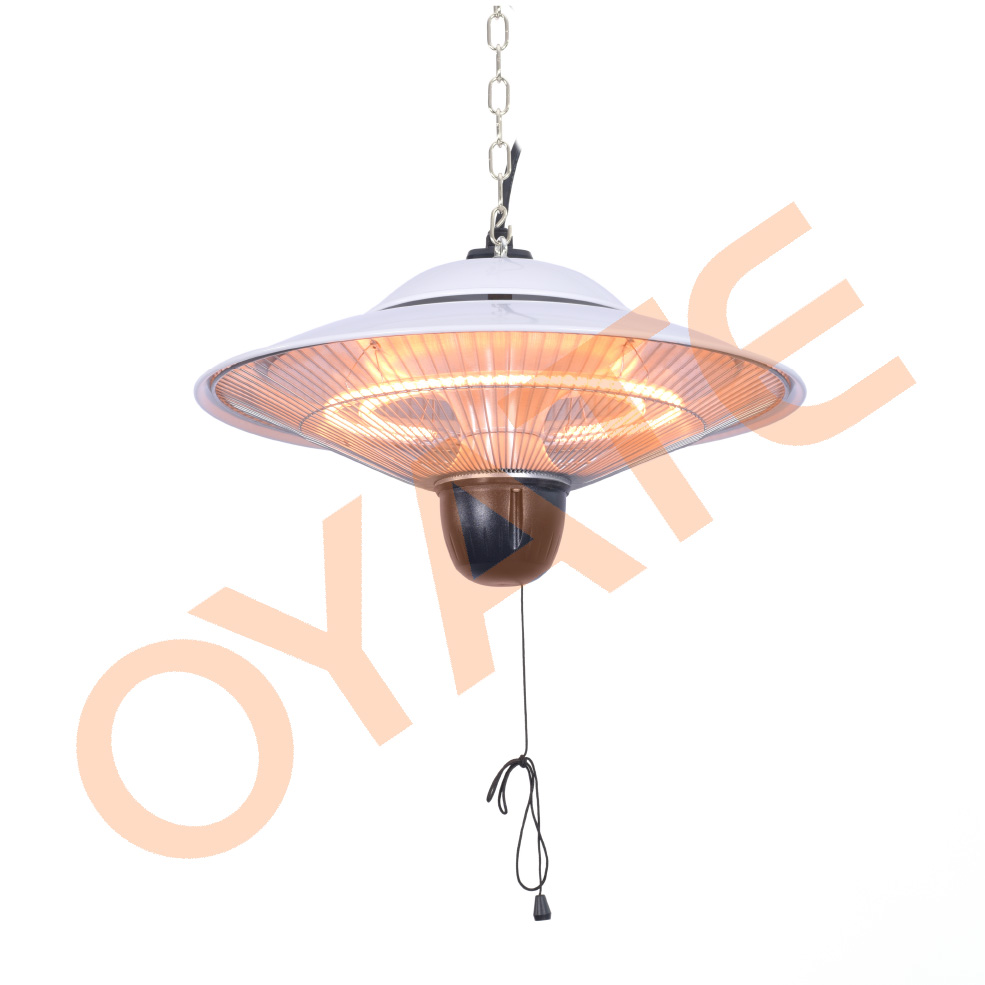
Making Your Patio Heat Actually Smart
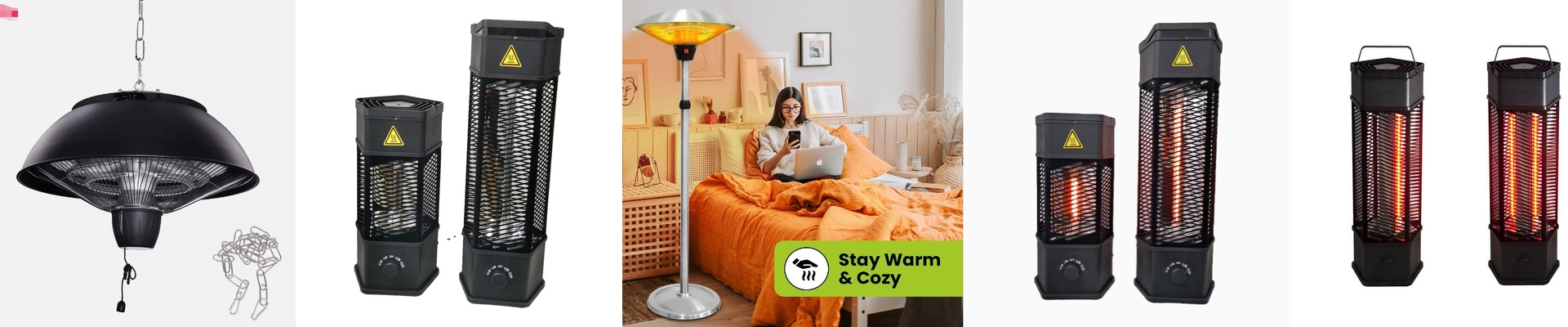
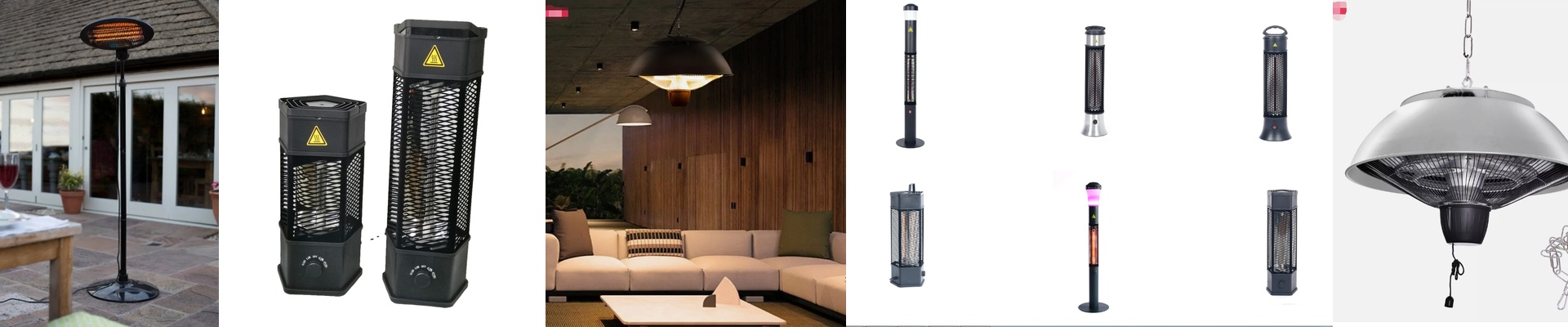
If you’ve ever run a nightclub patio, you know the drill. It’s freezing, guests are shivering, and you need the heat on now. Not in twenty minutes—right now. That’s why we stick with short-wave infrared. It doesn’t waste time trying to warm up the cold night air. Instead, it hits people and furniture directly. It feels like stepping into a patch of sunlight on a winter day. But flipping manual switches all over a patio is a pain. When you hook these heaters up to a smart system or a BMS, you can handle the whole vibe from a single tablet. One tap, and the patio is open for business.
The Guts of the Operation
These heaters get hot fast. Really fast. But because they pull so much power, you can’t just plug them into a cheap smart plug—you’ll fry the thing in seconds. To keep things from melting, we use heavy-duty contactors and smart relays. Think of these as the “muscle” that handles the heavy electrical load, while your tablet provides the “brain.” You get the convenience of a digital switch without the risk of a fire.
Fighting the Elements
Outdoor gear gets beat up. Rain, sleet, and dust are always trying to find a way inside. We use IP65-rated housings, which is basically a fancy way of saying they’re sealed tight with silicone gaskets and reinforced cable glands. If you skip this, moisture creeps into the reflector, things start shorting out, and your expensive heating elements burn out way too soon. It’s just not worth the risk.
The Reality Check
Now, here’s the thing: making this “smart” adds some wrinkles to the install. You can’t just plug these into a wall outlet. You’ll need a dedicated circuit and a hub that actually talks to your network. And a word of advice? Don’t rely on Wi-Fi for the patio. If the signal is weak, your “one-click” control is going to lag, and that’s frustrating when you’re in the middle of a rush. We usually just run a hard-wired Ethernet cable to the gateways to keep things snappy. Also, keep an eye on your power. These arrays pull a massive amount of amperage. If you cram too many units onto one phase, you’re going to trip your breakers the second you turn them on. Plan your power load carefully, or you’ll be staring at a dark, cold patio and a very annoyed crowd.