

Introduction
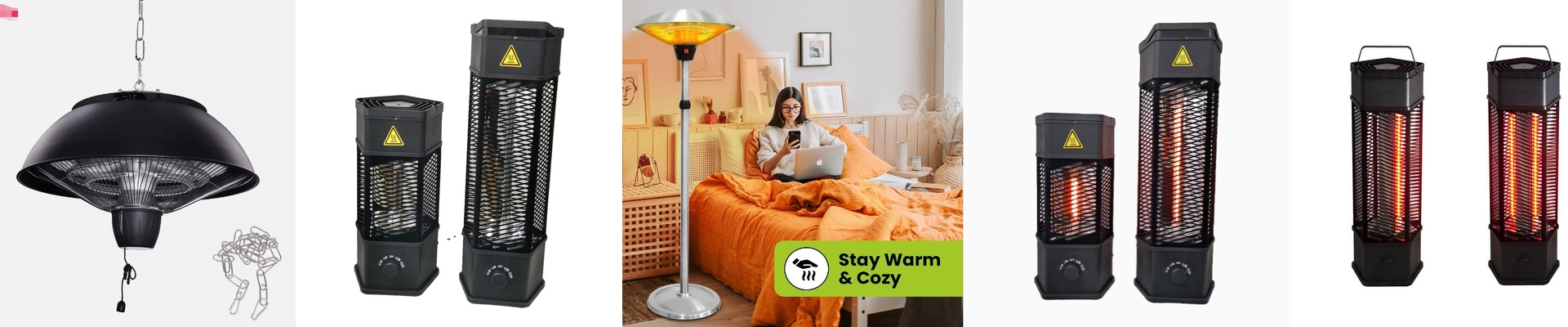
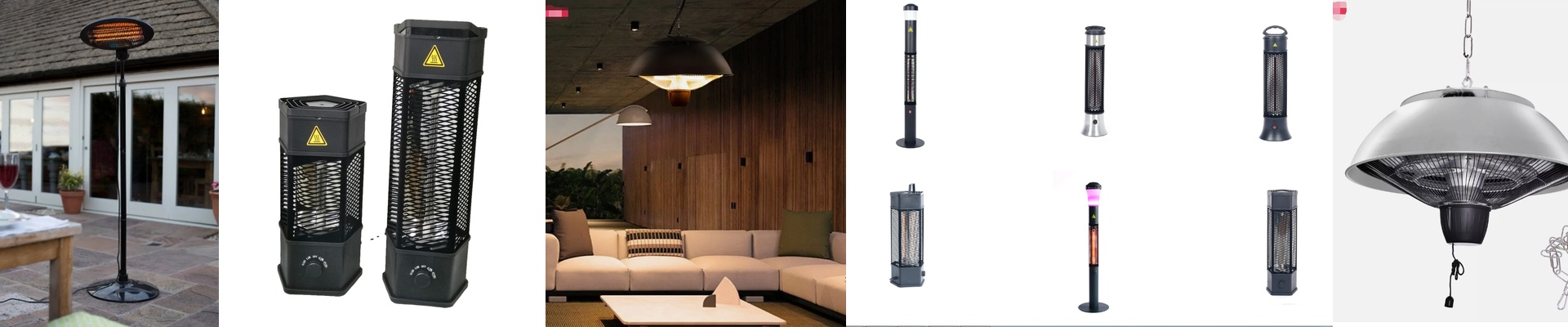
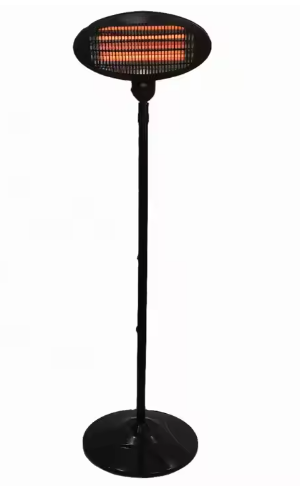
We built this electric patio heater around one tough piece of kit: a heavy-duty infrared halogen lamp. The whole point? To throw out intense, focused heat—even in wet, steamy spaces—and quietly fight the mold that comes with them. This isn’t just a heater. It’s a targeted heat solution, made to keep bathrooms dry, comfortable, and honestly, healthier.
Power, Voltage, and Output: The Simple Physics
Infrared heat is all about energy density, not warming the whole air. That’s the magic. We set the lamp to run on standard voltages—usually 220V or 240V—so it drops right into existing industrial and commercial wiring. No re-engineering. No headache. The wattage is matched to the tube length, with common setups hitting 1500W to 2500W across a 300mm to 450mm quartz tube. The payoff? A lot of heat in a small footprint. Perfect when space is tight and you need warmth where it matters—on the wall, the floor, and the people using the room—not wasted heating empty air.
Material & Design: Built to Take It
The tube is quartz, and there’s a good reason. It handles sudden temperature shifts and lets infrared energy pass through cleanly. Inside, the halogen cycle keeps the filament stable, so you don’t get that annoying dimming over time. It also helps the lamp last longer than a standard incandescent bulb. And because this lives in wet areas, the build is fully waterproof—sealed at the ends and at the connector. We use R7s or Sk15 bases because they lock in tight and can safely carry high current. The quartz coating is designed to manage UV output and keep moisture out. Now, a practical note: the seals and coatings are tough, but installation orientation matters. Mount it right so water doesn’t pool at the joints, and you’re set.
Real-World Benefits: Heat That Also Helps Dry Things Out
In bathrooms, infrared heat warms cold surfaces directly, which cuts down on condensation. Less condensation means mold has a harder time getting a foothold. It also helps dry the room faster after a shower by raising surface temperatures and speeding up evaporation. For engineers and facility folks, the result is clear: predictable heat distribution, fewer maintenance calls on fixtures, and better environmental control—all from one simple unit to install. You wire it, aim it where you need it, and let the physics do the rest.