
Why Your Bathroom Heater Keeps Dying (And How to Fix It)
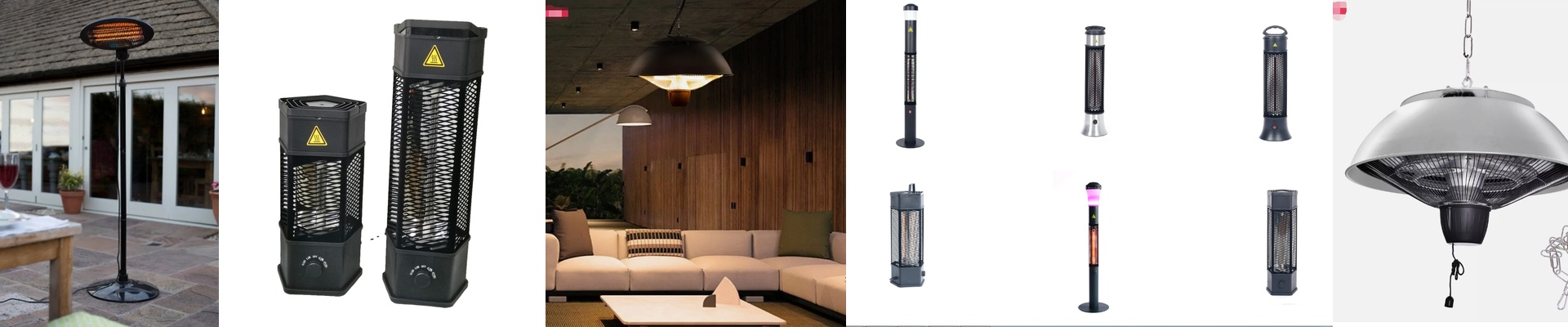
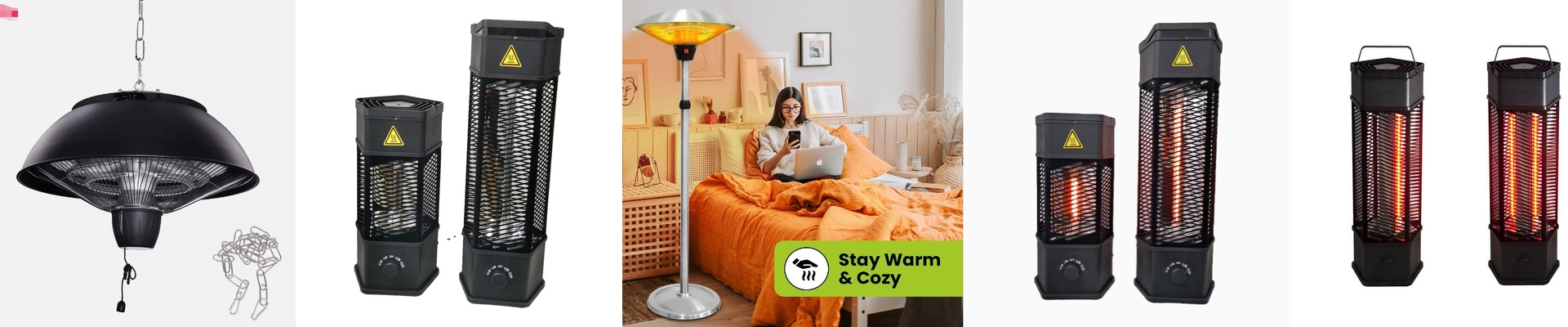
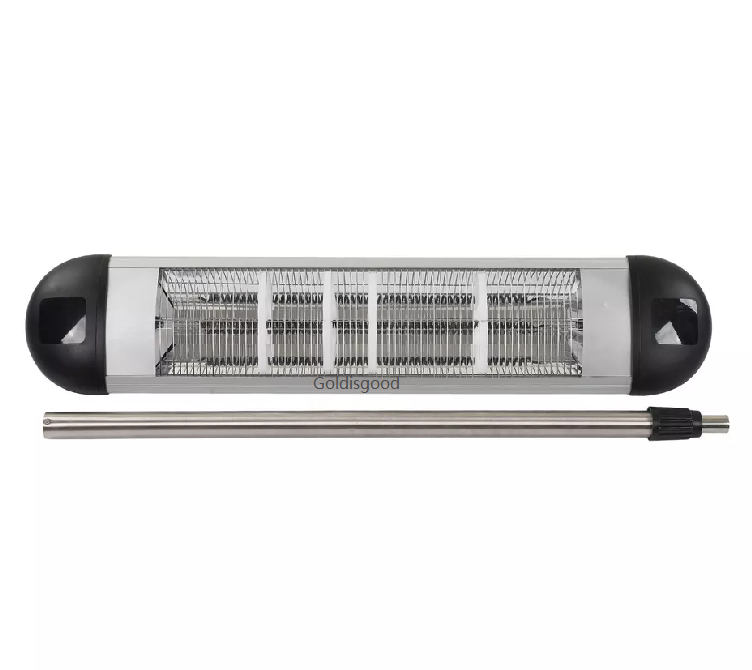
You know those old-school bathroom heaters? The ones that look like big lightbulbs in the ceiling? They’re a pain. The problem is that bathrooms are basically steam rooms. All that moisture creeps into the housing, eats away at the electrical contacts, and pops the filaments. It’s why they always seem to burn out right when you actually need the heat. That’s why we’ve moved toward waterproof infrared heaters. They actually handle the dampness instead of just fighting it. Keeping the water out Most basic heaters aren’t really built for the “splash zone.” But a high-spec infrared unit is a different story. We use sealed quartz tubes and tight gaskets to keep the guts of the machine dry. It’s a big deal because when a cold water droplet hits scorching hot glass, the glass cracks. That’s thermal shock. By sealing everything up, we make sure the wiring stays dry and the tubes stay intact, even if you’ve got the shower blasting. Heat you can actually feel Here is the cool part: infrared doesn’t bother warming up the air. Think about it. Traditional heaters try to heat the whole room, which means they spend half their energy warming up your ceiling before you feel a thing. Infrared is different. It sends waves directly to your skin. It feels like standing in a patch of sunlight. Because it’s so direct, you can actually use less power and still feel just as warm. A quick heads-up on installation Now, you can’t just swap these into any old hole in the ceiling. These units are a bit bulkier because they need heat sinks and those sealed casings to work properly. You’ll want to check your ceiling depth first. If you jam a high-powered unit into a tiny, cramped space with no airflow, it’ll get too hot and trip the safety switch. If you’re renovating and the heater is going right above the tub or shower, go with the waterproof infrared. It stops the electrical shorts and keeps the terminals from rusting, so the thing actually lasts.