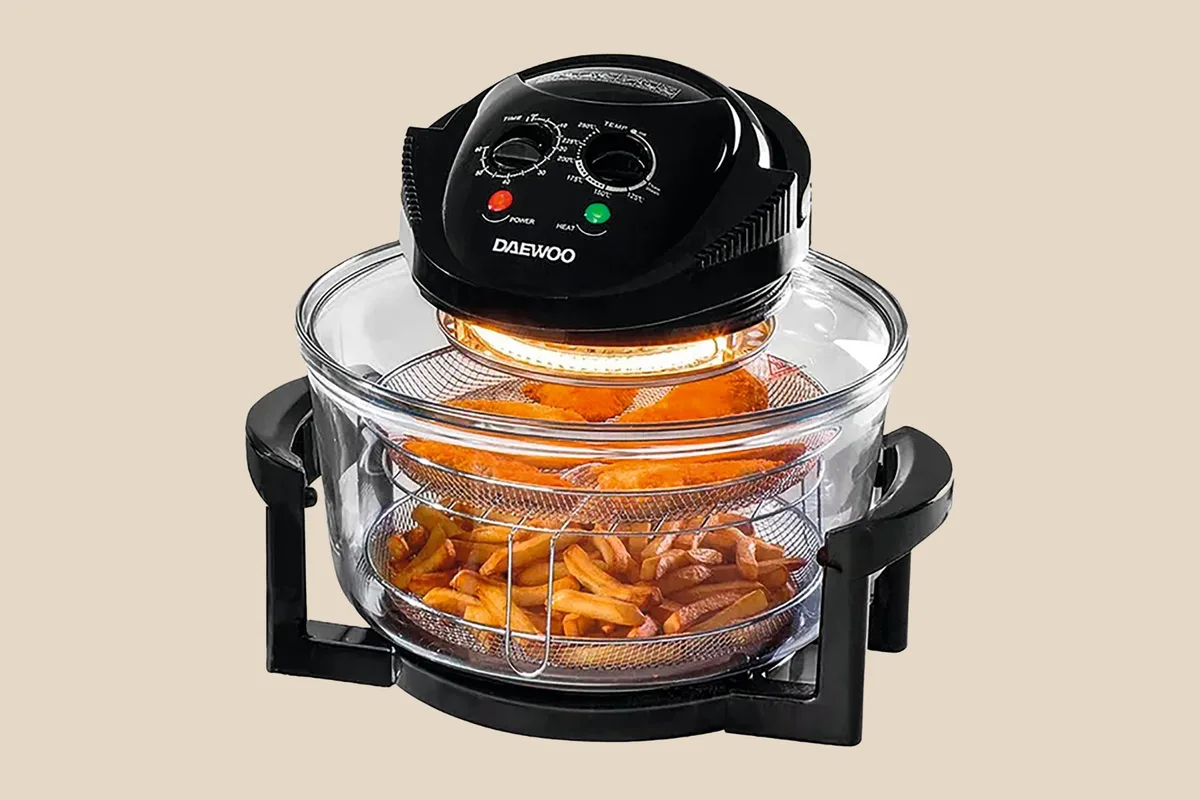
What Makes This Tube the Heart of the Oven
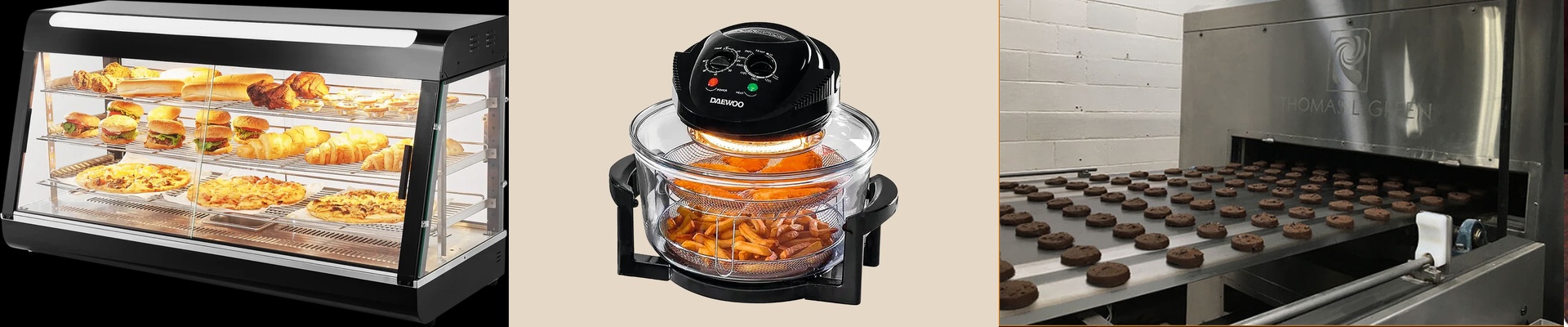
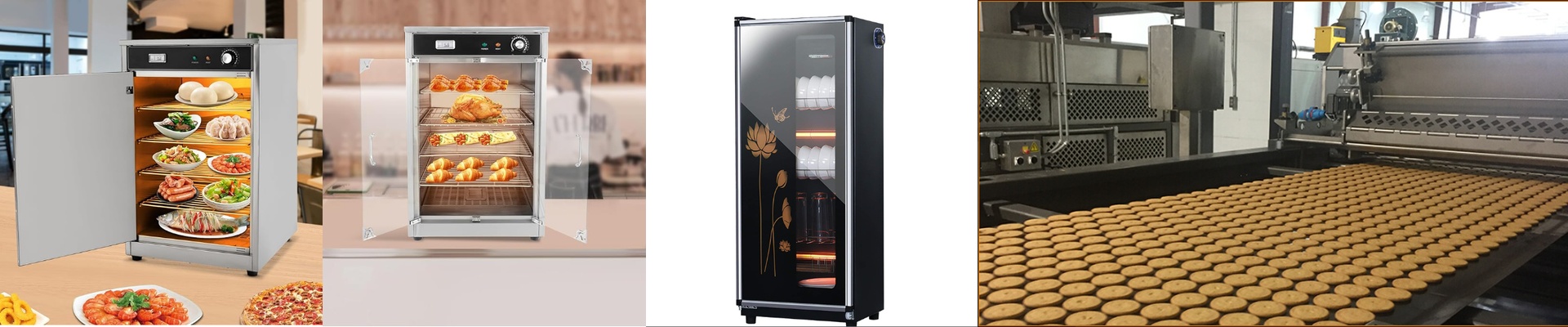
Let’s talk about the quartz tube inside a convection oven. It’s not just some random heating part. It’s the real heart of the whole system. We built these tubes to pack a lot of power into a small space. They run at 400V and give you serious heat without taking up a ton of room. The 300mm length? It’s not an arbitrary number. It’s just long enough to heat the air properly, but not so long that the oven needs to be huge. The result? A more compact machine that doesn’t eat up your valuable floor space.
The Secret to Lightning-Fast Heat
Here’s the thing about the “second-level response”—it’s not some marketing buzzword. It’s just physics working in your favor. Because the tube is made of quartz, the heating element inside can go from cold to full power almost instantly. Compare that to old-school metal elements, which act like a giant heat sponge. They take forever to heat up and even longer to cool down. Quartz, on the other hand, has almost no thermal inertia. So when the thermostat calls for heat, you get it. Right away. And when it doesn’t, the heat stops. That quick on-and-off action is exactly how you save energy. The system doesn’t waste power keeping a heavy element warm while it waits. It just fires up when it’s needed. No standby losses. No wasted electricity.
Keeping Things Real with the Setup
Now, a 400V, 2500W tube puts out a serious amount of heat. That’s the trade-off for that kind of power. So you need to make sure your cooling system can handle the extra warmth in the room. And the R7s connector? It’s the standard for a reason. It’s a solid, high-temp connection that’s easy to wire and easy to maintain. It’s a straight swap for most ovens, so you can upgrade without tearing the whole thing apart.
What This Means for Your Work
Whether you’re cooking or running an industrial heating process, this setup gives you precise control. The temperature holds steady, without that annoying overshoot you get with slower systems. That’s huge for keeping your product quality consistent. And the energy savings come from one simple idea: the heating element only runs full power when you actually need the heat. No idling. No waste. Just a smart, responsive design that works as hard as you do.