

More Than Just a Heater: Keeping Your Bathroom Actually Dry
Most people look at an infrared lamp in the bathroom and think, “Oh, a heater.” But we see it differently. For us, it’s not about warming up the air—it’s about attacking the moisture before it turns into a problem.
Stopping Mold Before It Starts
We’ve all seen those damp, dark corners where mold just loves to hang out. It happens because the walls get cold and the moisture sticks. Instead of just blowing hot air around the room, we use short-wave infrared (SWIR). Think of it as a direct hit. The energy goes straight into the walls and ceiling, heating the surfaces themselves. This forces the condensation to evaporate fast. If the wall stays dry, the mold spores simply have nowhere to land.
How We Actually Build These Things
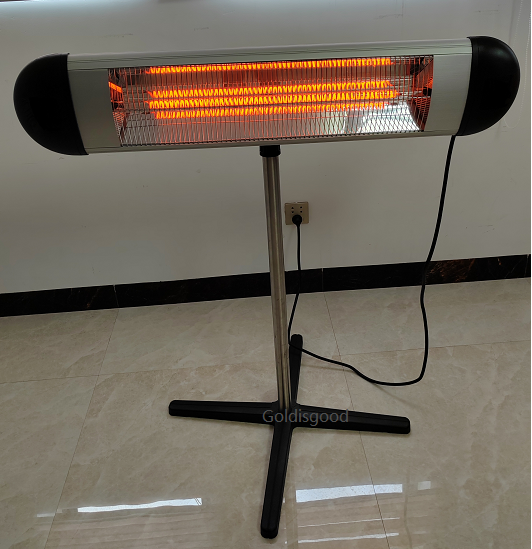
We use high-purity quartz tubes for a reason. These things get hot and cold quickly, and cheap glass would just crack under that kind of stress. Quartz handles it without breaking a sweat. We also add a reflective mirror coating to the housing. Why? Because we want the heat pushing down, not wasting away into the ceiling. Bathrooms are humid, and that damp air acts like a sponge, soaking up heat. To beat that, we spec these lamps for high power density. You need that punch of energy to get the “dry-out” done quickly, otherwise, you’re just idling.
The Catch (and How to Fix It)
Here’s the thing: these high-output lamps are bright. Really bright. You can’t exactly leave them on full blast for hours unless you want to feel like you’re staring into the sun. The trick is to not run them manually. We suggest pairing the lamp with a timer or, better yet, a humidity sensor. Just wire it to a moisture-sensing relay. The lamp kicks in when it’s damp and shuts off once the room is dry. You get a healthy, mold-free bathroom without turning the place into a sauna or wasting a ton of electricity.