Why Your Bathroom Heater Needs Explosion-Proof Quartz
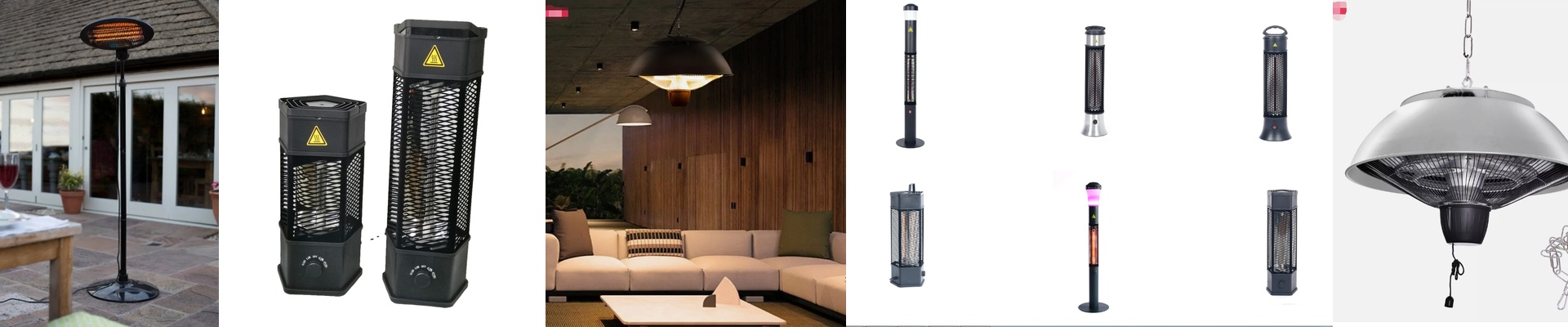
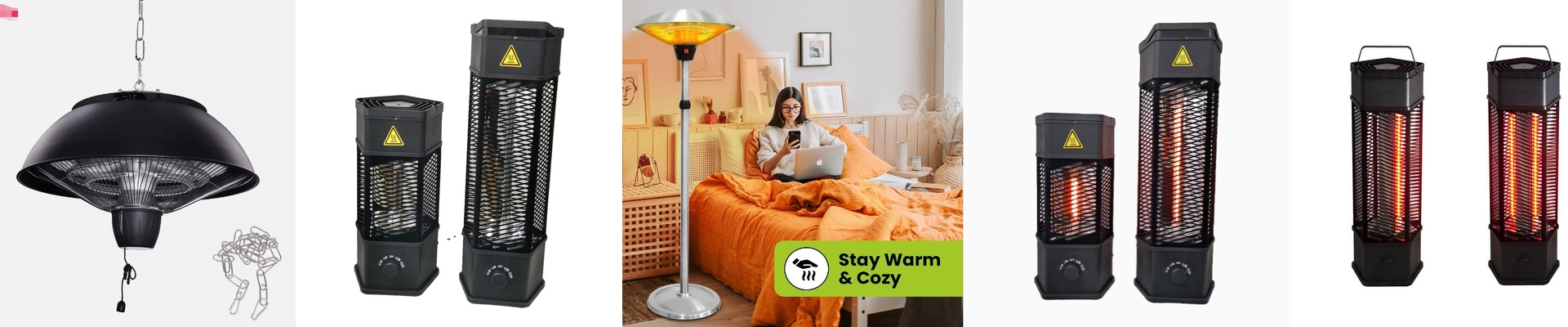
Let’s be honest: bathrooms are a nightmare for electronics. You’ve got steam everywhere, wild temperature swings, and electricity—a combination that usually ends badly. When you flip the switch on an infrared wall heater, you want that instant warmth. But the real magic (and the real danger) is happening inside the quartz heating tube. That’s where things usually go wrong. The “Cold Drop” Problem Imagine a quartz tube glowing at 800°C. Now imagine a single, cold drop of shower water hitting it. With a standard tube, that’s a recipe for disaster. The glass shrinks too fast in one spot, and pop—it cracks. In a high-wattage heater, a shattered tube doesn’t just stop working; it can short out the power or, worse, send glass shards flying toward you while you’re trying to wake up. That’s why we use explosion-proof quartz. We’ve tweaked the material so it handles those sudden temperature shocks much better. It’s not that the glass is magically “indestructible,” but it’s designed to hold itself together. If it does fail, it won’t just blow up in your face. Heat That Actually Hits You We use short-wave infrared radiation because it’s fast. Like, “instant heat the second you touch the switch” fast. The quartz is key here because it lets the energy pass straight through. The tube doesn’t soak up the heat; it sends it right to you. But here’s the catch: more heat means more stress. If you cram a high-wattage tube into a tiny box without any room for the unit to breathe, you’re going to melt your housing or fry the internal wiring. You’ve got to give the hardware some space. Getting the Install Right The tube is only half the battle. You still have to deal with the steam. Even with a tough tube, the rest of the unit needs to be sealed tight (we’re talking strict IP ratings here) so moisture doesn’t creep into the electronics. I always suggest pairing these tubes with high-temp ceramics. It keeps the electrical contacts from wearing down every time the heater cycles on and off. It’s a simple setup, but when you do it right, you get a heater that actually lasts.