
Why Your Bathroom Needs More Than Just a Heater
Most people look at those heat lamps in the ceiling and think, “Oh, that’ll keep me warm while I’m in my towel.” But we actually built these things to do a lot more than just stop the shivers. The real goal here is to kill the dampness before it turns into a mold problem.
How it actually works
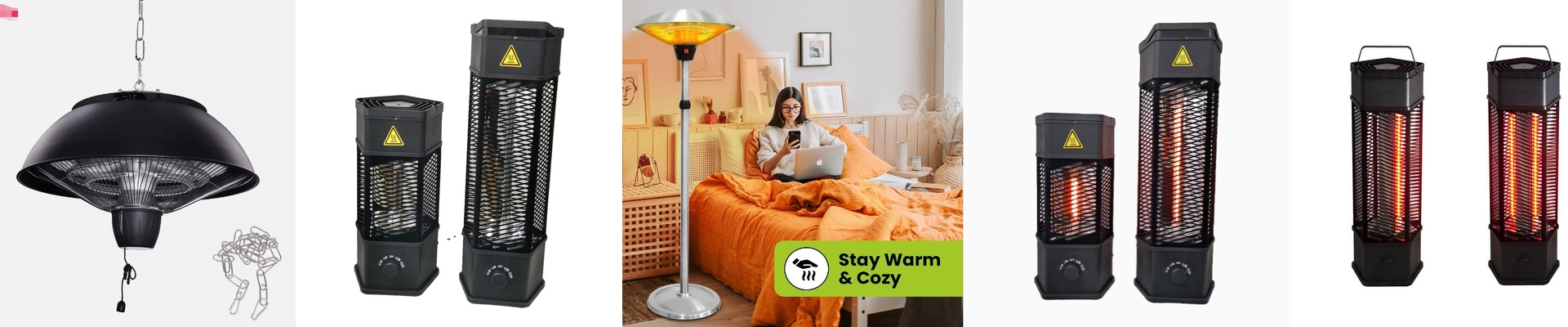
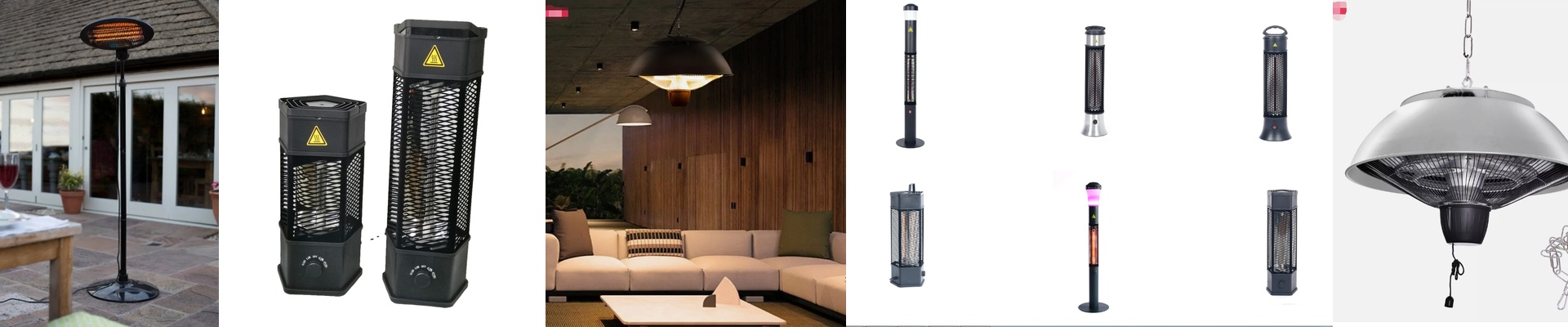
Here’s the thing: most heaters just warm up the air. That’s fine, but it doesn’t really help with the wet spots on your walls. We use short-wave infrared instead. Think of it like the sun hitting your skin on a clear day. The heat doesn’t wait for the air to warm up; it goes straight to the surface. When those waves hit your damp tiles or that soggy shower curtain, they shake up the water molecules and force them to evaporate fast. It stops your walls from “sweating.” Since mold needs standing water to survive, we’re basically starving it. We push the moisture off the walls and into the air, where your vent fan can actually whisk it away.
The “Catch” (and what to watch for)
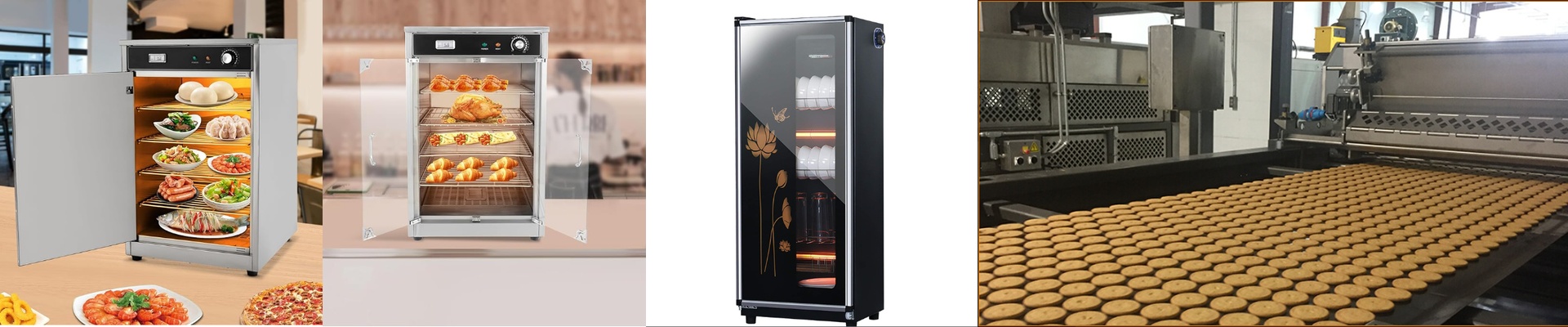
To get this kind of drying power, we use high-wattage quartz halogen elements. They’re incredibly fast. You flip the switch and—boom—instant heat. But, there is a trade-off. These things pull a lot of power. If you’re putting these into an older house, just double-check your breakers. If you’ve got three 250W lamps blasting and you try to use a high-powered hairdryer on the same circuit? You’re probably going to trip the breaker. Just a heads-up.
A cleaner, drier space
At the end of the day, it’s a two-for-one deal. You get that cozy feeling the second you step out of the shower, and your grout and sealant stay dry. It’s a simple mechanical fix for a gross biological problem. You aren’t just warming up a room—you’re making sure your bathroom actually stays dry.