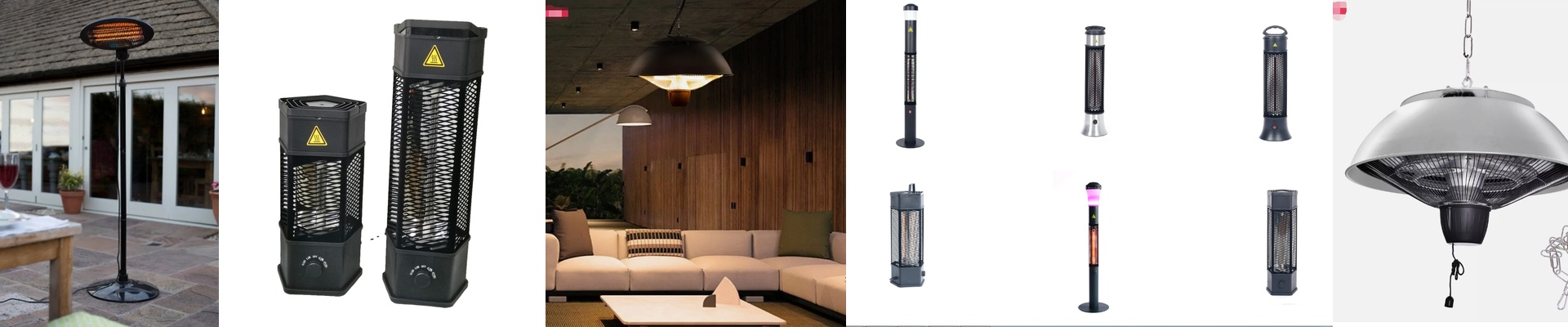


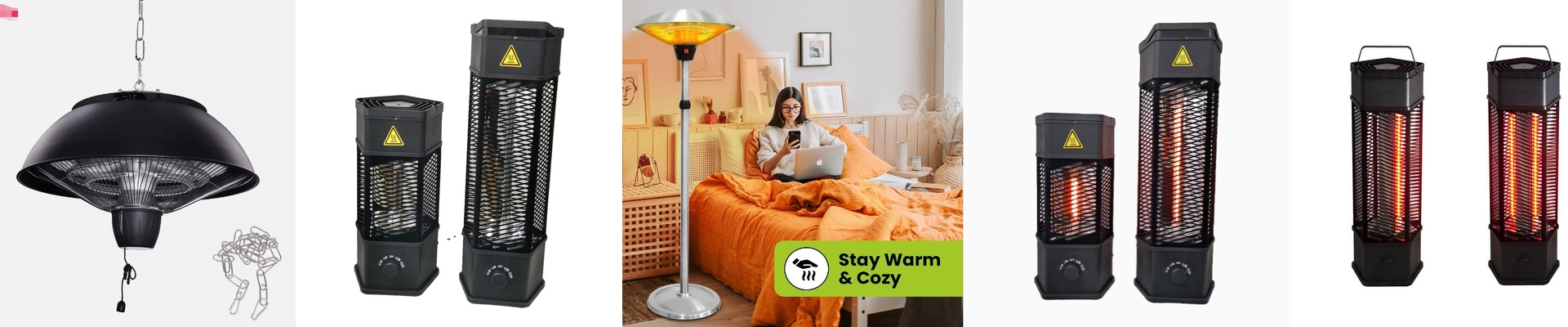
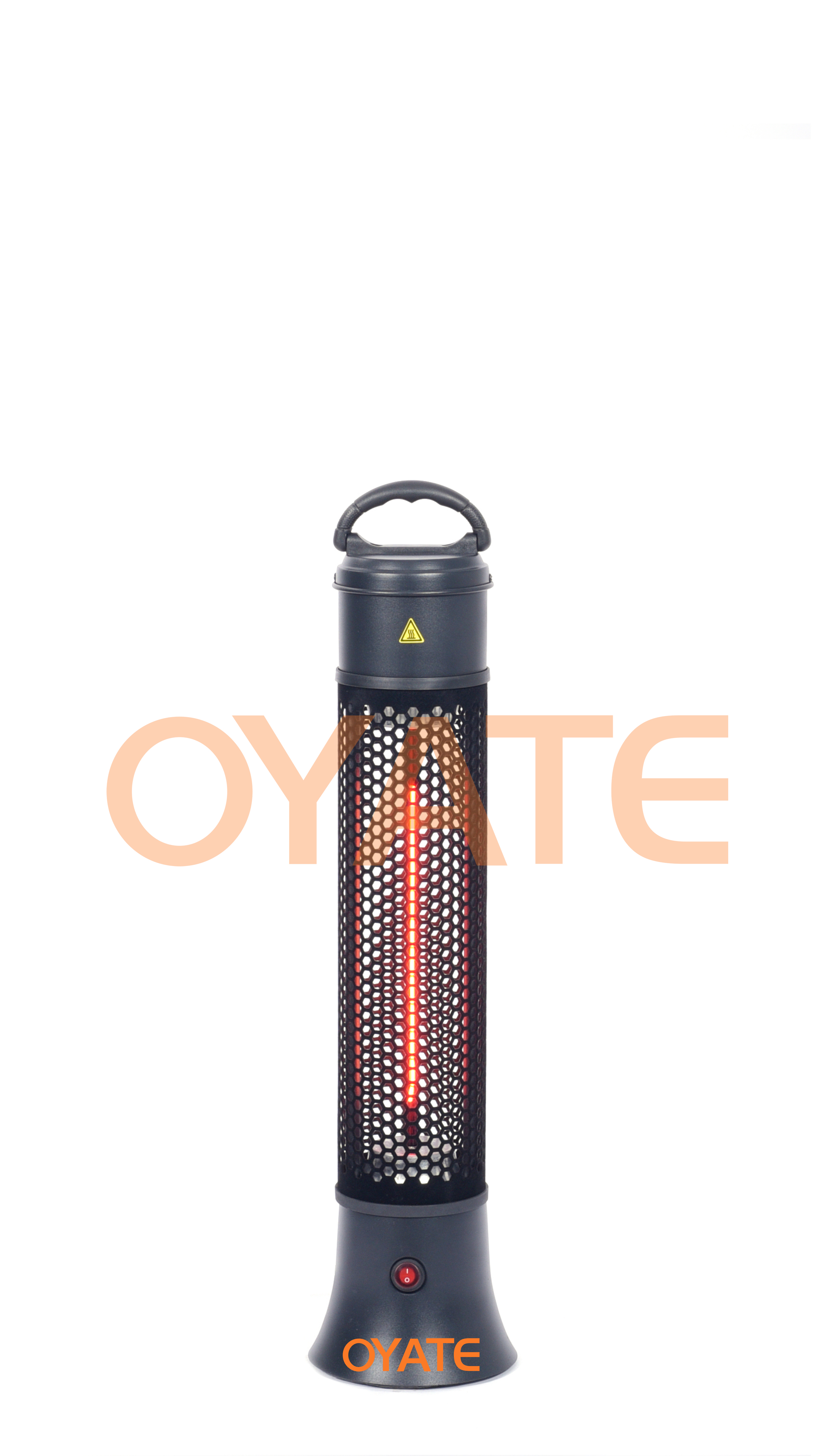
Recessed Infrared Ceiling Heaters: Warmth in the Bathroom, Without the Stress
Let’s talk about bathroom heat. You know the feeling—stepping out of the shower into a room that’s still chilly and damp. We wanted to fix that, but safely. So we built recessed infrared ceiling heaters specifically for that steamy, humid environment. The whole point is simple: give you focused warmth without putting your electrical safety at risk. Because in a bathroom, regular heaters can be trouble—moisture finds its way in, and suddenly you’re dealing with short circuits or corrosion. Our solution keeps the power completely isolated from the wet air, thanks to heavy-duty insulation and a fully sealed design.
Power, Voltage, and Size—Thoughtfully Done
These heaters run on their own low-voltage circuit, completely separate from the rest of your home’s wiring. That means the current stays right where it should—inside the unit. And the recessed look? It’s not just for looks. By sitting flush with the ceiling, there’s less surface area exposed to steam. Less surface means less chance for water to condense on anything live. It’s a smart, compact design that fits into tight ceiling spaces, yet delivers heat fast—almost instantly, really.
The Safety Core: Built to Handle the Wet
At the heart of it is the heating element, sealed inside a quartz tube. Why quartz? Because it’s incredibly good at blocking electricity—so even when the air is soaked, the current can’t leak through. Inside, the wiring is double-insulated. The connections live in a sealed, IP-rated junction box. It all adds up to one thing: even when your bathroom feels like a sauna, the electrical parts stay dry and safe.
Real Bathroom Reliability—Finally
A bathroom heater has to put up with a lot. Showers, baths, daily steam—it’s a tough job. Our infrared units slide right in where a traditional fixture would go, but they bring a serious safety upgrade. The sealed design keeps steam out, so you never have to worry about the insulation breaking down over time. Now, a quick heads-up: because these put out serious heat, you’ll need a circuit that can handle it and enough clearance above the ceiling for the heat to dissipate. But that’s just part of doing it right. This is how you get reliable, safe warmth in the wettest room in your house—without the guesswork.