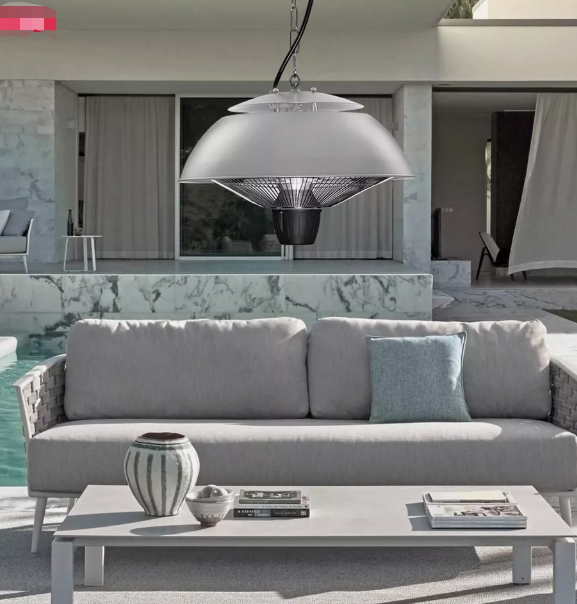
Winter training does a number on you. Muscles lock up, recovery drags, and that cold lingers in the bones. Circulation drops, stiffness sets in, and the gap between effort and ease stretches out. For athletes, that delay is a real performance hit. For anyone nursing a minor strain, it can feel like you’re stuck in neutral. Infrared radiant heat gives you a practical way to turn that downtime into active restoration.
What matters, technically
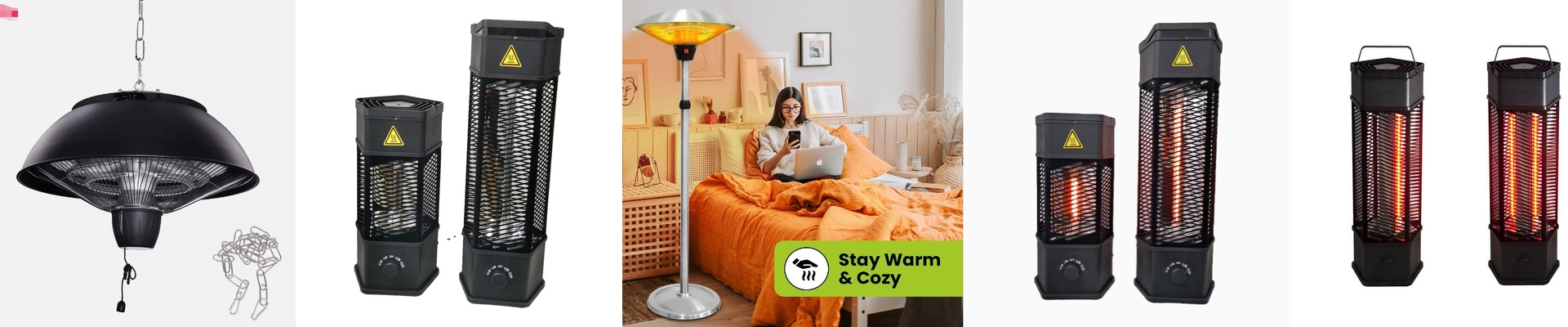
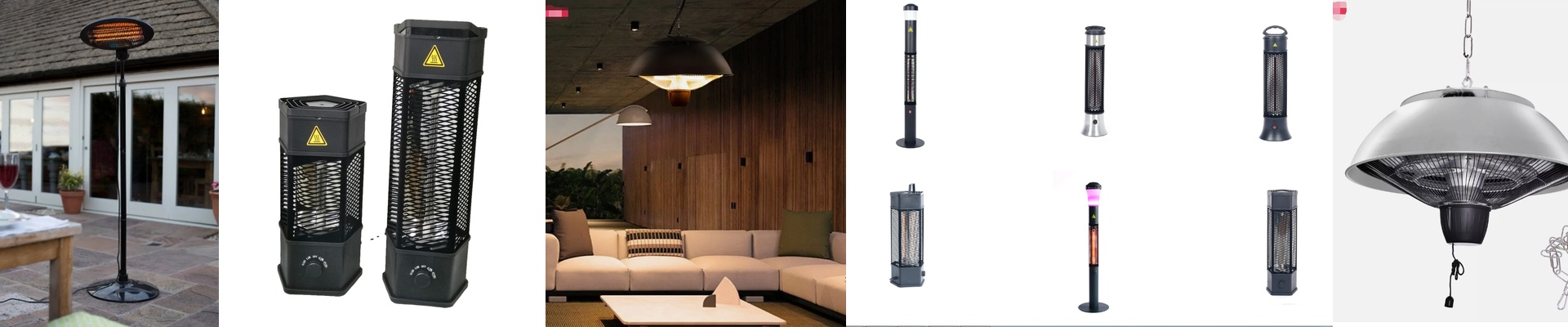
Here’s the thing with infrared warmth: it delivers energy straight to the body, not the air around you. You get a quartz tube or a carbon fiber element that throws short- to medium-wave infrared, penetrating superficial tissue so muscles warm from the inside out. The feel is gentle and even—consistent, not a blast of hot air. Most units plug into a standard 120V outlet, draw between 1,200 and 1,500 watts, and come up to temperature in seconds. A built-in thermostat keeps comfort steady, while tip-over protection and an IP rating for moisture resistance cover you on the safety side.
Why it works in winter
Ambient heat in cold weather dries the air and tends to miss the spots that actually ache. Infrared targets the problem zone with direct radiant warmth, encouraging blood flow that helps relax tight fibers and supports the body’s natural repair cycle. After a run, a session under the heater can loosen the tightness that keeps you from moving freely. For minor muscle strains, that same warmth makes stretching more comfortable and less abrupt—so you can get back to training without taking a step backward.
The practical details
Set the heater where you can sit comfortably inside its radiant zone, and keep a clear distance from fabrics and other objects. Start on a lower setting and adjust as needed—overheating doesn’t help, and staying hydrated supports circulation. Remember: infrared heats people and surfaces, not the room air. In very cold spaces, pair it with a gentle ambient heater. Used with a bit of thought, it turns recovery from a waiting game into a steady, repeatable routine.