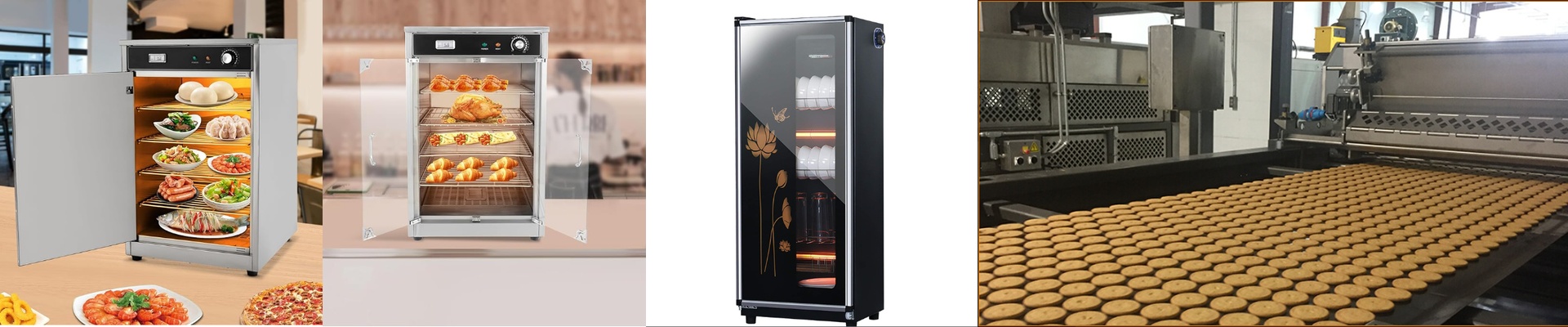
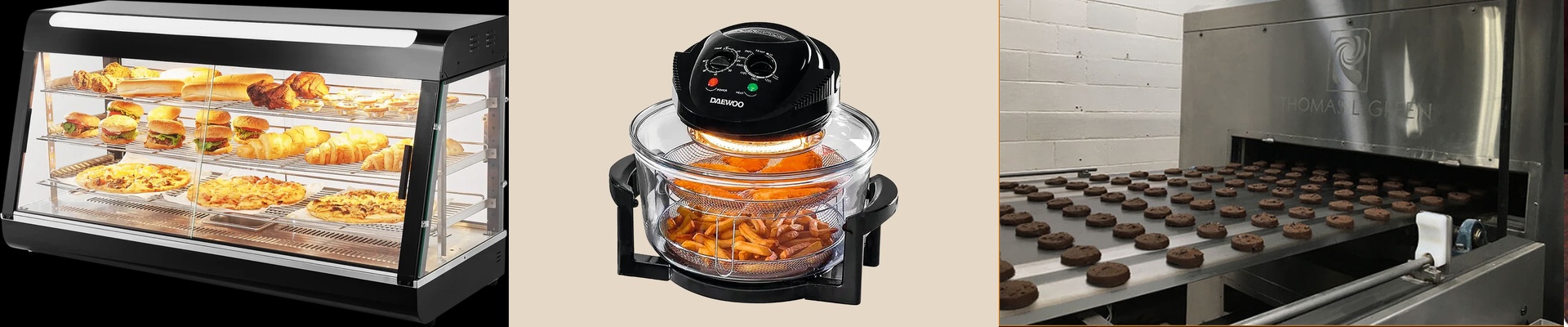
Getting That Perfect Crust: Why IR Emitters Matter in Your Rotary Oven
Ever wonder why some bread has that deep, golden-brown glow while others just look… beige? It all comes down to the Maillard reaction. Now, that sounds like a chemistry lesson, but in the bakery, it’s just the magic that happens when heat hits the dough just right. Standard convection heating is fine for the bulk of the bake, but it’s too slow for the finish. That’s where shortwave infrared (IR) emitters come in. Instead of wasting time heating up all the air in the oven, IR shoots energy straight into the surface of the bread. It’s direct. It’s fast.
The Secret to Timing
Here’s the thing about rotary ovens: your bread is always moving. You only have a tiny window of time to hit that perfect surface temperature before the loaf heads for the exit. If you rely on old-school heating elements, you’re waiting minutes for them to warm up. But these quartz tubes? They hit full power in milliseconds. It means you can trigger the browning exactly when the crust is ready. No more guessing, and more importantly, no more drying out the inside of your bread just to get the outside to look pretty.
The Nitty-Gritty on Quartz and Halogen
We use high-purity quartz glass for these because the temperature swings are brutal. If the glass isn’t top-notch, it’ll crack under the pressure. Most of the replacements you’ll see use a halogen gas fill. It’s a clever bit of engineering that keeps the tungsten from burning out too quickly by putting it back onto the coil. It just makes the bulbs last longer. But a quick word of advice when you’re picking a replacement:watch your wattage and voltage. Higher wattage means more heat density. You’ll need that for thick-crust breads, but it puts a lot more stress on your wiring. And please, make sure your connectors—whether they’re R7s or Sk15—are snapped in tight. A loose connection at this power level will cause arcing, and before you know it, you’ve melted your socket. Not a fun way to spend a Tuesday.
A Pro Tip for Installation
These are designed to be simple drop-in replacements so you can get back to baking. But remember, shortwave IR creates an intense amount of heat. If your oven’s reflectors are dirty or pitted, the energy doesn’t go into the bread—it bounces right back into the tube. This creates a heat trap that kills the lamp’s lifespan. Keep those reflectors polished. It takes a few extra minutes, but it keeps your gear running way longer.