

Stopping the Burn-Out: A Better Way to Handle Your SIG Blomax Radiators
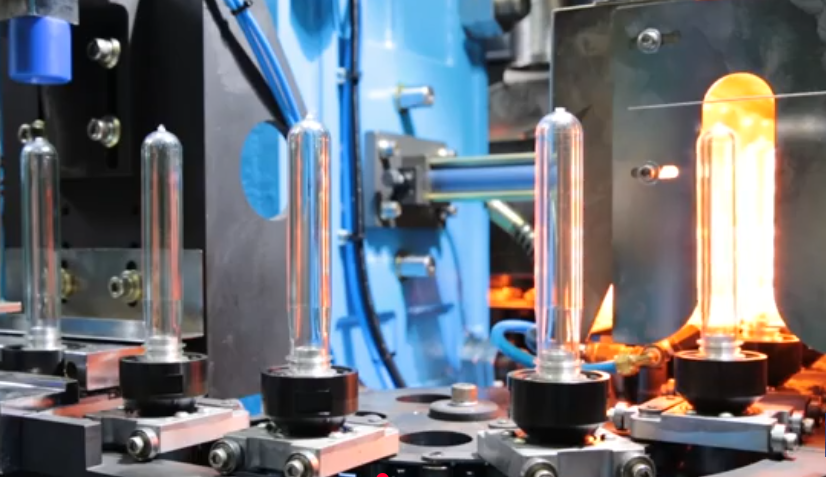
If you’re running a SIG Blomax line, you know the headache of tube burn-outs. It’s frustrating. Usually, it comes down to thermal shock or a filament that just isn’t centered right. When you swap out those standard IR bulbs for something structurally reinforced, you’re basically changing how the lamp breathes under the intense heat needed for PET preforms. The Voltage Tug-of-War These radiators have to hit high wattages to get the preform to that glass transition temperature fast. We make sure our bulbs match the exact voltage and footprint of your original SIG gear. Why? Because overloading your power supply is a recipe for disaster. A high-wattage shortwave lamp hits hard and fast. But that puts a massive amount of stress on the quartz envelope. If your voltage jumps around, the filament can shift. And once it moves, the bulb is toast. Better Glass, Less Sagging Here’s the thing: standard bulbs often fail because the glass actually softens under extreme heat. It sags. The filament touches the wall, and pop—there goes your production window. We use heavy-wall quartz to stop that sagging. It holds its shape. Plus, we use a halogen cycle that pushes tungsten back onto the filament, so the wire doesn’t thin out and snap prematurely. The best part? They’re drop-in replacements. You just pop them into the existing sockets. No rewiring the oven, no fancy tricks. The Real World (Shop-Floor Truths) Now, let’s be honest. Reinforced bulbs aren’t magic. If your cooling fans are choked with dust or your reflectors look like old pennies, the heat has nowhere to go. It backs up right into the socket. That will kill any bulb, no matter how well it’s built. Keep those reflectors clean. You want that IR energy hitting the PET, not soaking into the lamp housing. Do that, and you’ll see a lot less downtime. It’s as simple as that.