Fixing Your Old Oven with 110V IR Elements
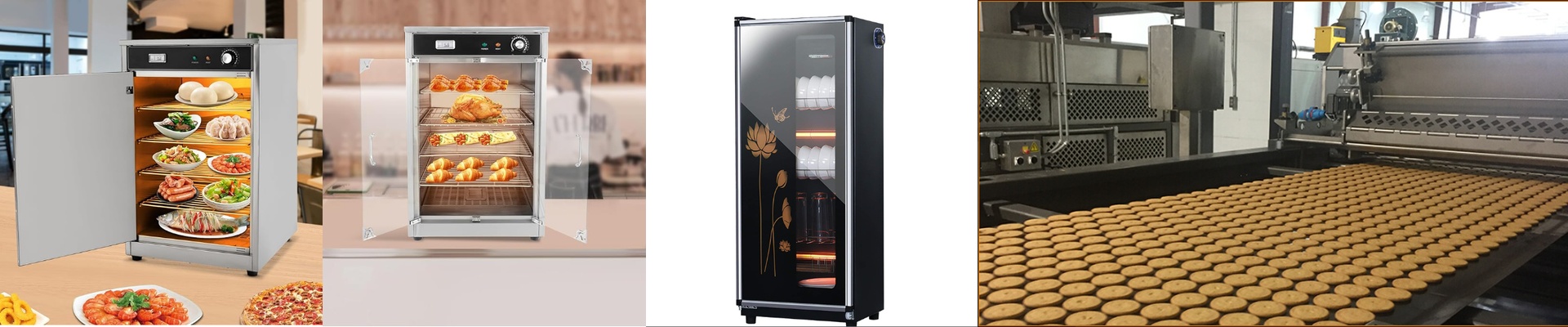
Ever notice how old bread ovens just start to lose their touch? You get those annoying cold spots, or the heat just doesn’t hit the mark anymore. It’s frustrating. You’re staring at a loaf that isn’t browning right, and you know the equipment is the problem. Usually, the fix isn’t a brand-new oven. It’s just swapping out those tired old coils for custom infrared (IR) lamps.
Why IR actually works
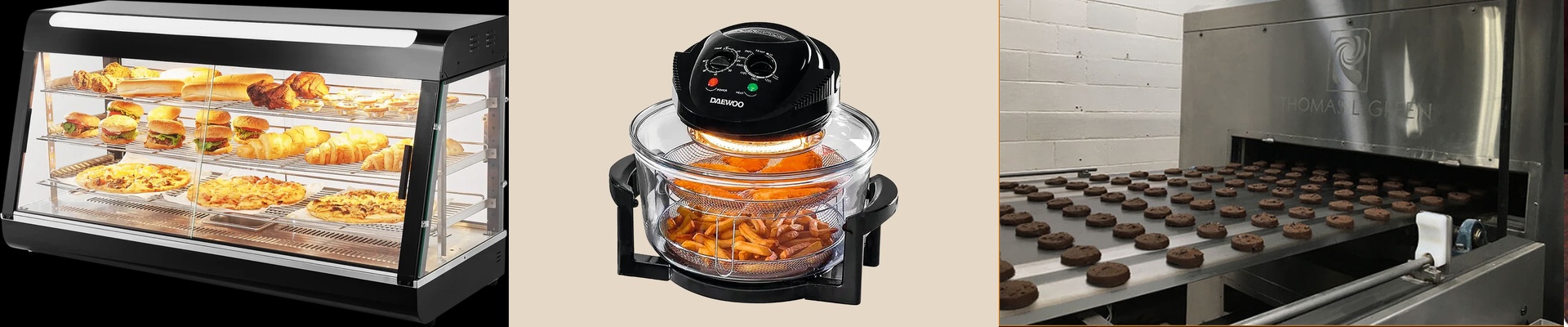
Here’s the thing: most old ovens rely on moving hot air around. But these 110V IR elements work differently. Instead of waiting for the air to warm up, they send radiant heat straight into the dough. It’s like the difference between standing in a warm room and feeling the sun on your skin. Because the energy hits the bread directly, your crust sets faster and the inside stays consistent. Plus, you aren’t wasting half your morning waiting for the oven to pre-heat. It just gets hot. Fast.
Built to take a beating
We don’t use cheap glass here. We use high-purity quartz to protect the tungsten filament. Why? Because ovens are brutal. They heat up, cool down, and heat up again. Cheap materials crack under that kind of stress. Quartz doesn’t. And since no two ovens are exactly the same, we don’t do “one size fits all.” We build these to your specific length and wattage. You’ve got choices, too. If you want raw, short-wave intensity, go with clear quartz. If you’re looking for a specific kind of browning, we can do coated tubes. We even handle the end-caps so the lamp just slides right into your existing sockets. No need to rip out your wiring or spend a weekend rewiring the whole chassis.
A couple of things to keep in mind
Now, there is a trade-off. These elements pack a lot more punch per square inch. Because they’re so efficient, your thermostat and PID controllers will need a quick tune-up. They’ll need to react faster, otherwise, you might accidentally scorch your bread. Also, if you’re cranking the wattage way up in a tiny oven, just double-check your wiring gauge. You want to make sure your wires can handle the current without getting too hot themselves. It’s a simple way to get an old workhorse back into production without having to buy a whole new system.