Stop Fighting Your Old Blow Molding Machine
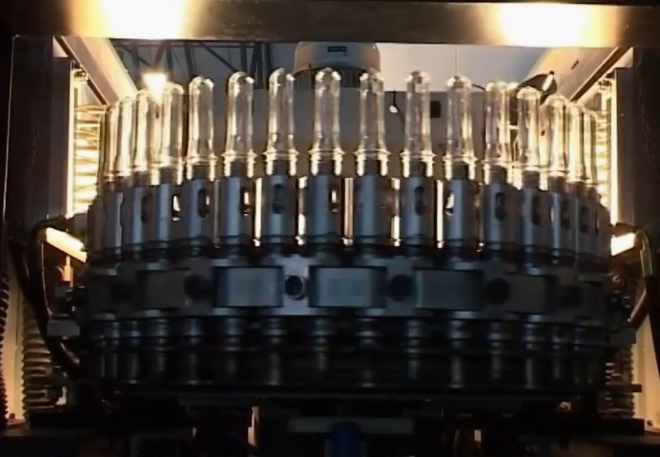
If you’re running a mid-sized shop, you probably have a few machines that just aren’t hitting the numbers they used to. It’s frustrating. You want more output, but the idea of dropping a huge chunk of capital on a brand-new machine feels like a nightmare. Here’s a secret: you might not need a new machine. Most of the time, the real bottleneck is just the heating oven. If your lamps are old and worn out, you’re fighting a losing battle. Swapping them for high-density infrared lamps can actually move the needle on your production ceiling. How the heat actually works When you’re blowing PET, you need the preform wall to heat up fast and evenly. But you can’t let the base get too hot, or you’re in trouble. We stick with short-wave infrared because it punches through the plastic way faster than the long-wave stuff. By picking a lamp with more wattage per millimeter, you’re basically cranking up the heat flux. The result? You can either shorten your oven or just speed up the conveyor. It’s that simple. The gear that lasts We use heavy-wall quartz glass because it doesn’t crack when the temperature swings wildly during rapid cycling. Then there’s the halogen gas. It basically acts like a recycle system, pushing evaporated tungsten back onto the wire so the lamp doesn’t just burn out the moment you put it under a heavy load. And let’s talk about the headache of installation. Nobody wants to spend a whole weekend rewiring an oven. That’s why R7s or SK15 bases are great—they just drop right in. No modifications, no fuss. Now, if you jump up to 400V, you get more power in a smaller space. Just do yourself a favor and double-check that your wiring and contactors can actually handle the extra current before you flip the switch. The catch (because there’s always one) More heat isn’t a magic button. If you’re pumping more kilowatts into that oven to move faster, your cooling fans are going to have to earn their keep. If your ventilation is too weak, you’ll end up with “hot spots.” That’s where you see that annoying pearlescence or weird, uneven walls in your finished bottles. The trick is to find the sweet spot. Balance your lamp wattage with your airflow, and your process will stay smooth.