A Better Way to Bake: Why We’re Using Nichrome IR Tubes
Let’s be honest: traditional deck ovens are energy hogs. They rely on massive amounts of stone and metal that take forever to heat up. You’re basically paying to heat up a giant rock for an hour before you even slide in your first loaf. We decided to stop doing that. Instead, we’re using Nichrome infrared (IR) tubes to get to the right temperature fast and stop wasting electricity.
How it actually works
Most ovens just heat the air and hope for the best. IR is different. These Nichrome tubes—basically a high-resistance alloy tucked inside quartz or ceramic—send energy straight into the dough. It’s direct. It’s immediate. Because the heat hits the target instantly, you aren’t waiting around for the oven to “warm up.” You turn it on, it hits the mark, and you get to work.
The balancing act
Now, there is a bit of a trade-off here. We look at the wattage per centimeter to figure out the right fit. If we cram too much power into a short tube, we can save space, but we put a lot of stress on the glass. If you push the wattage too hard without giving the system room to breathe or a way to sink the heat, those tube ends will burn out way too fast. It’s all about finding that sweet spot.
Cutting the waste
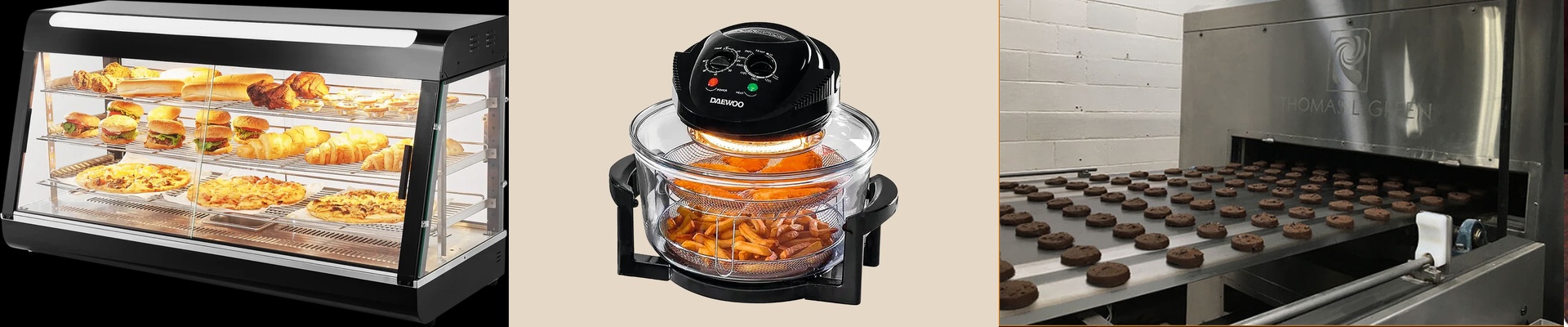
If you’re trying to run a green kitchen, you have to stop the “leak.” With IR tubes, we can use zoned control. This means if you’re only using one corner of the oven, you only power up that specific area. You don’t have to heat the entire chamber just to bake a few items. No more “idle energy” just sitting there wasting money while the oven waits for you.
Getting it set up
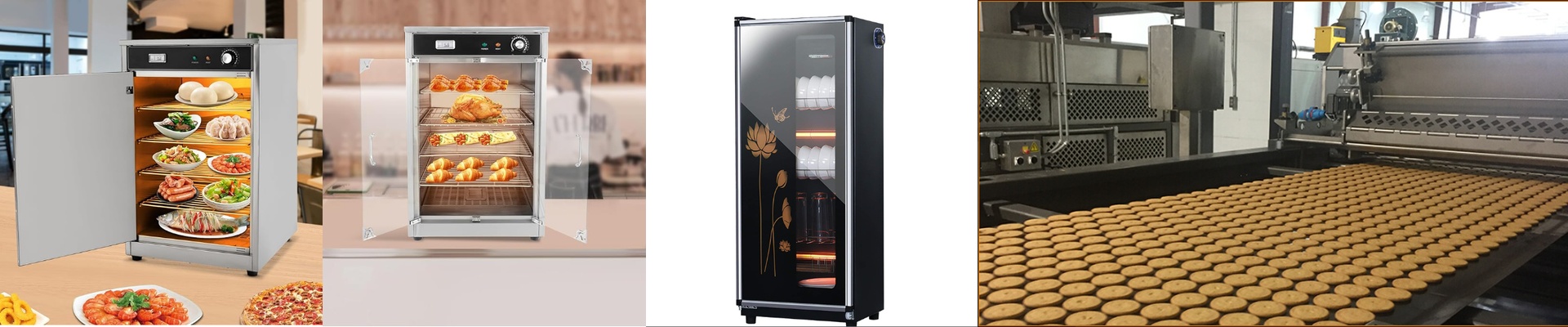
The best part? These are mostly drop-in replacements. They fit where your old heating elements used to be. We use heavy-duty terminals so you don’t have to worry about arcing when the load gets heavy. One tip: make sure your PID controllers are tuned for the speed of IR. These things react fast—really fast. If your settings are too sluggish, the temperature will overshoot your target. It’s a leaner way to bake. Less bulk, less power, and a lot more bread coming out of the oven.