Getting the Heat Right: The Secret to Smart Cooking
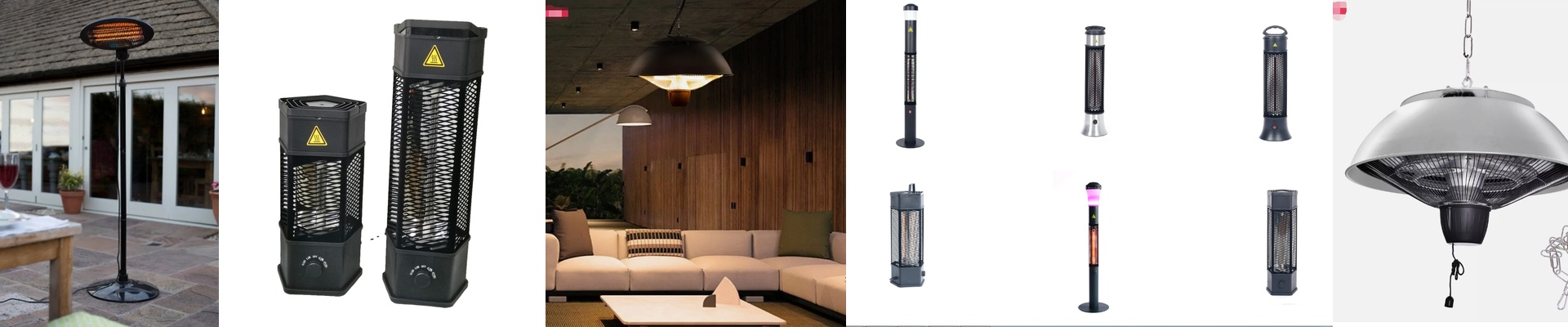
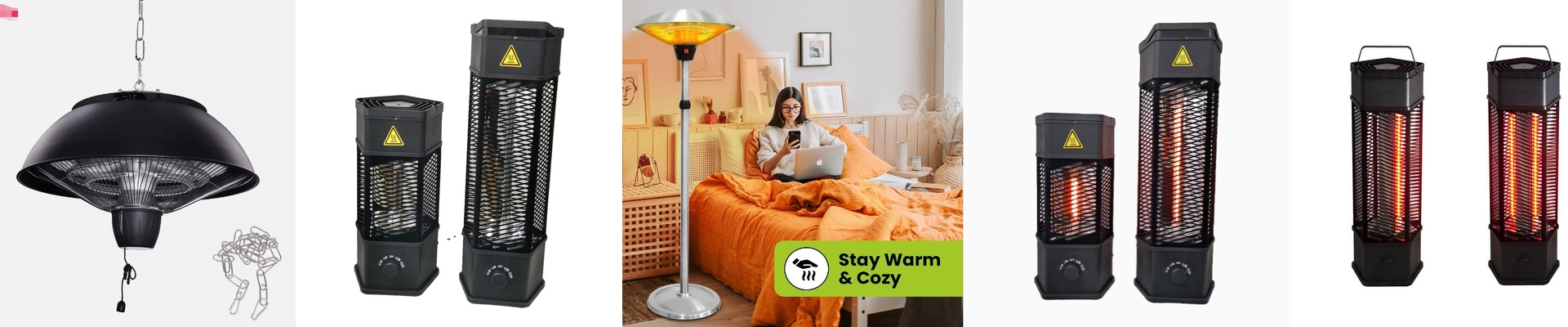
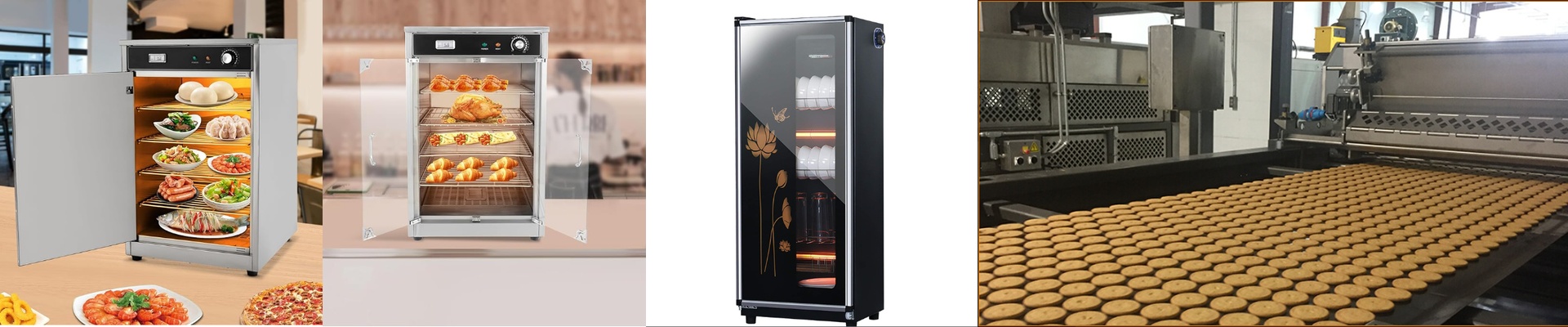
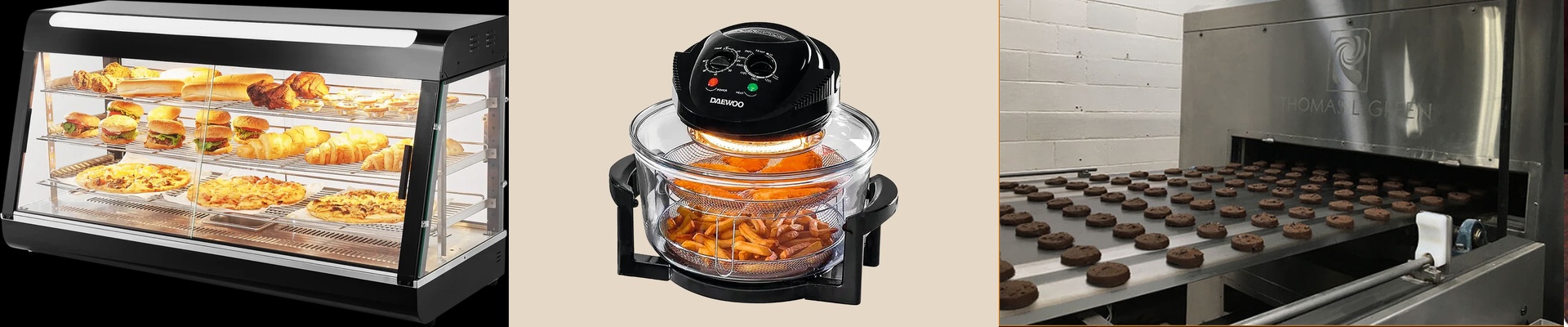
If you’re building a smart kitchen, a simple timer just isn’t going to cut it. Think about it: if you’re pushing out a thousand pizzas, you can’t have some with burnt crusts and others with cold cheese. You need heat that actually listens to your controller in real-time. That’s why we moved away from slow bake stones and coils. Instead, we use high-precision infrared (IR) heating tubes. Why IR? Because it’s fast. Short-wave IR lamps don’t waste time heating up the air around the food; they beam energy straight into the pizza. It’s nearly instant. The best part is the low thermal mass. In a smart system, this is a lifesaver. With heavy cast-iron elements, the heat keeps climbing even after you turn the power off—that “overshoot” is what ruins a good crust. With our lamps, when the controller says “stop,” the heat actually stops. The nitty-gritty on materials We use high-purity quartz glass for these tubes. But we don’t just stop there. For pizza, we often add special coatings to the quartz. This tweaks how the heat hits the food, making sure it cooks the dough all the way through without scorching the top before the middle is done. And since no two ovens are the same, we don’t do “one size fits all.” We build to your drawings. Whether you need a specific length to fit a tight chassis, a certain voltage for your local grid, or connectors that make field replacements a breeze, we’ve got you covered. A quick word of caution Here’s the thing: these tubes put out a massive amount of heat, and that puts a lot of stress on your electronics. If you’re running a high-precision setup, don’t skimp on your heat sinks for the SSRs (Solid State Relays). If you do, your switching components will fry long before the lamps even start to wear out. Plus, make sure your ventilation is on point. If the air doesn’t move, you’re risking warped internal housing. It’s all about that balance. Get the airflow and the cooling right, and you’ve got a machine that cooks perfectly, every single time.