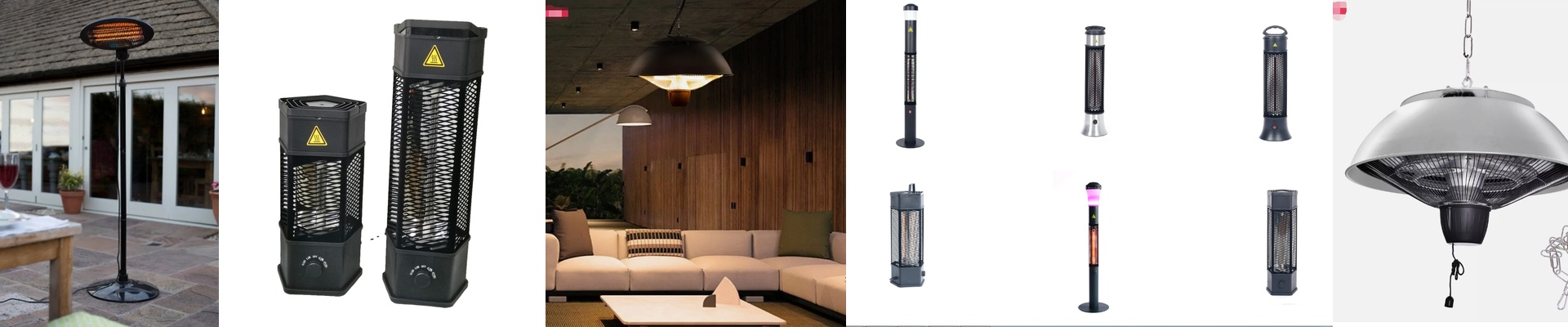

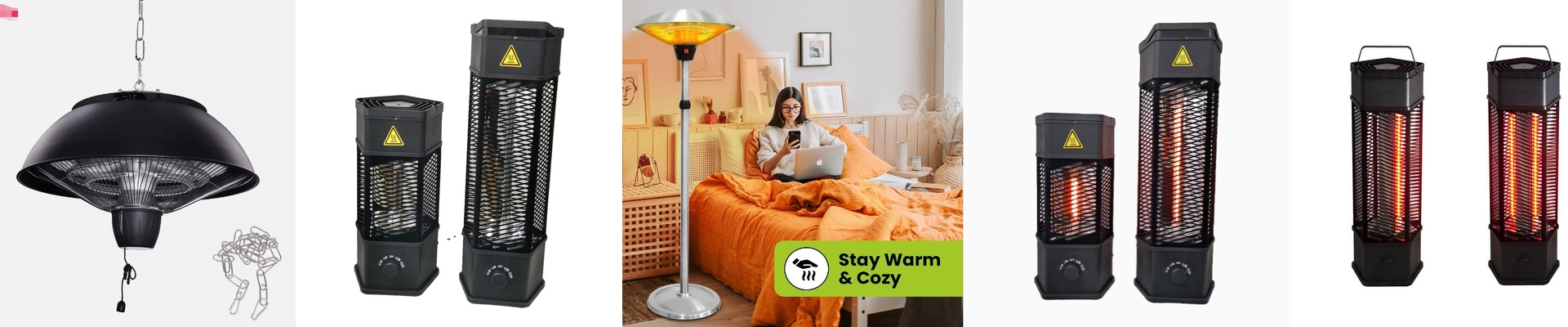


Let’s Talk About Bathroom Heaters (and Why the Light Matters)
When you’re putting a heater in a bathroom, most people just think about making sure it doesn’t short out when things get steamy. But there’s something else you have to worry about: the light. Standard infrared lamps can be blinding. They put out this harsh, bright glare that’s not just annoying—it can actually be hard on your eyes. It’s even worse for babies, whose eyes are way more sensitive than ours. We don’t think you should have to squint just to stay warm. So, we changed how the light works. Keeping your eyes safe Instead of that blinding white light, we use special quartz tubing with specific coatings. Think of it like a filter. It blocks out the high-energy UV and the glare, leaving you with a soft, warm glow instead. You still get all the heat you need, but it’s delivered in a way that feels natural. You get the warmth on your skin without feeling like you’re staring into a spotlight. Dealing with the damp Bathrooms are tough on electronics. You’ve got humidity, steam, and the occasional splash of water. To handle that, we use IP-rated seals to keep the guts of the machine dry. We also use quartz-halogen lamps because they can handle the “thermal shock”—that rapid jump from ice-cold to scorching hot—much better than regular glass. If a seal leaks and water hits a hot glass tube? It cracks. Simple as that. There’s a bit of a balancing act here. We have to seal the unit to keep water out, but we still need enough venting so the internal wiring doesn’t melt from the heat. The real-world setup If you’re the one wiring these in, keep a few things in mind. You’re dealing with a lot of power in a wet room. Use high-temp silicone wiring and, for the love of everything,don’t skip the grounding. One last thing: because these lamps run hot to keep that eye-safe spectrum, the outer guard gets toastier than your average heater. Make sure there’s a physical barrier or enough space so nobody accidentally touches it and gets a burn.