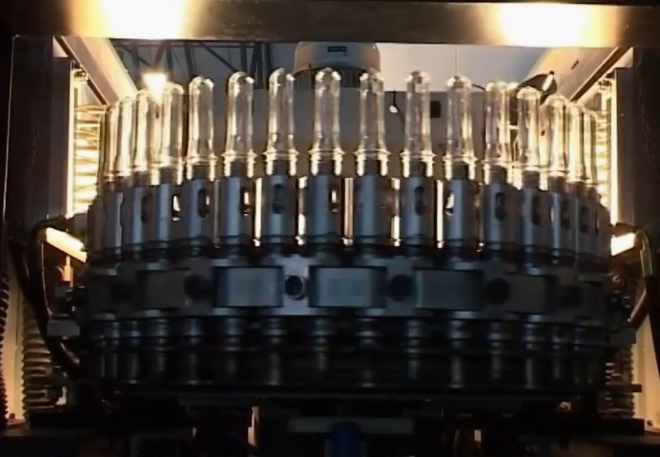
Why Your SIPA Rotary Machine Is Acting Up (And How to Fix It)
If you’ve noticed your heating is jumping all over the place on your SIPA rotary machine, you aren’t alone. Usually, it comes down to a power mismatch. Here’s the thing: when you toss lamps with different wattages or voltages into the same oven, you get uneven preheating. That’s where the trouble starts. Suddenly, your PET bottles have weird wall thickness variations, and you’re left wondering why. We build our quartz infrared tubes to match the original SIPA specs exactly, so you can actually stop worrying about it. It’s all about the power We’re obsessed with 100% power matching. Why? Because “close enough” doesn’t work here. If you use a replacement that’s slightly off, you get hot spots. Even a 10% difference in power across a lamp bank messes with the infrared wavelength. This is why your operators are constantly fiddling with the oven temperature, trying to find a balance that doesn’t exist. We calibrate our filaments so the heat stays steady and uniform from one end of the tube to the other. The nitty-gritty on design We use high-purity quartz glass because it can take the hit of rapid heating and cooling cycles without cracking. These are designed to be simple drop-in replacements. Depending on which SIPA model you’re running, we use R7s or Sk15 connectors. But this isn’t just about making them fit. It’s about the connection. A cheap or loose connector will arc, burn out your socket, and cause the lamp to flicker or just die way too early. Real talk: The trade-offs These lamps pack a punch. They deliver high heat density, which means your PET preforms heat up faster and the material distributes better. Your cycle times drop, and that’s a win. But there is a catch. High-wattage quartz tubes put out an intense amount of radiant heat. If your oven’s ventilation is clogged or your cooling system is struggling, the ambient temperature inside will spike. That puts a lot of stress on your electronics. Keep your cooling fans clean. It’s a small chore, but it’s the best way to get the full life out of your filaments. Just wire them to the right voltage, keep the air moving, and your thermal output will stay rock solid.